
Pain Management in Crofton: Find Relief and Restore Your Routine
Pain management in Crofton often becomes a priority when discomfort starts interfering with your routine. When pain affects how you move, work, or sleep, it’s a sign your body needs a better plan.
At Precise Chiropractic & Rehabilitation, care focuses on how pain connects to movement, habits, and daily stress on your body. The goal is to help you move more freely and feel more in control of your day.
This guide explains common causes of pain and how treatment can help. You’ll also learn what to expect and how a personalized plan supports lasting results.
When Pain Starts Running Your Day
Pain often starts in one spot, but it can take over your routine fast. Back pain, neck pain, and headaches can make it tough to sit, stand, drive, or even focus. When discomfort keeps popping up, pain management isn’t just about coping anymore.
It’s about getting back comfort, movement, and your quality of life.
How Back, Neck, and Head Pain Disrupt Daily Life
A sore back can turn lifting groceries into a risky task. Neck pain can make turning your head while driving a real pain—literally. Headaches might make it tough to get through work or even relax at home.
These symptoms usually affect more than just the painful area. You might sleep less, move less, and start avoiding things you used to do without thinking.
When Short-Term Symptoms Turn Into Chronic Pain
Sometimes pain comes after a strain, a long day, or a minor injury. If it doesn’t get better, it can turn into chronic pain that sticks around for weeks or months.
That change usually sneaks up on you. You might start resting more, moving differently, or taking over-the-counter meds. Then, pain starts coming back more often and with even less activity.
Why Early Pain Treatment Can Protect Quality of Life
Early pain treatment can stop a small problem from turning into a big one. It also lowers the risk of losing strength, flexibility, or your confidence in movement. The goal isn’t just pain relief. You want to keep working, caring for your family, and staying active without being held back by constant discomfort.
Conditions Commonly Treated in Crofton
People usually look for help when pain starts getting in the way of their normal day.
In Crofton, common issues include back pain, neck pain, groin pain, and nerve problems. Treatment options can also help with repetitive strain from work, sports, or even daily chores. A solid plan looks at the root of the problem and how it’s affecting your body.
Back and Spine-Related Pain Concerns
Back pain and lower back pain are some of the top reasons people seek help. These issues might come from bad posture, lifting, injury, or just wear and tear over time.
You might also have stiffness, sharp pain, or pain that shoots down into your hips or legs. In those cases, you need care that helps with pain relief and movement.
Nerve and Repetitive Stress Conditions Like Carpal Tunnel Syndrome
Nerve irritation can cause tingling, numbness, or weakness in your arm or hand. Carpal tunnel syndrome often shows up in people who repeat the same hand motions at work or home.
These symptoms can make typing, driving, gripping, and even sleeping tough. Tackling the cause early can help protect your hand function and day-to-day comfort.
Groin Pain, Arm Pain, and Other Ongoing Problem Areas
Groin pain can make walking, bending, or working out a struggle. Arm pain might come from your neck, shoulder, or just a local strain. Some conditions don’t seem serious at first, but they keep coming back. That’s usually a sign you need a more complete pain management approach.
| Common Concern | Daily Impact | Care Goal |
| Back pain | Trouble bending, sitting, or lifting | Better movement and less strain |
| Neck pain | Stiffness, headaches, poor sleep | Improved range of motion |
| Carpal tunnel syndrome | Tingling and weak grip | Less nerve irritation |
| Groin pain | Trouble walking or exercising | Safer movement and recovery |
Treatment Options That Support Recovery
The best pain treatments do more than just numb the discomfort. They help your body heal, move better, and stay that way. A mix of physical therapy, interventional pain management, and non-invasive care can give you a stronger path forward.
Physical Therapy and Movement-Based Care
Physical therapy helps you rebuild strength, flexibility, and control. It also teaches you safer ways to move at work, home, or during exercise.
This kind of care is helpful when pain has made you stiff or hesitant to move. Guided movement can help you get back to functioning with less fear of hurting yourself again.
Interventional Pain Management for Targeted Relief
Interventional pain management uses targeted procedures to address a specific pain source.
These treatments can help when symptoms stick around, or local care hasn’t worked. This approach supports pain relief while you keep working on recovery. The main goal is to cut pain enough so you can move through your day with more confidence.
Non-Invasive Treatment Options Including Acupuncture
Non-invasive treatments are a good choice when you want to avoid surgery or strong meds. Acupuncture, for example, can help reduce muscle tension and support comfort in a gentle way.
Many people like non-invasive care because it fits well with a bigger recovery plan. You can use it alongside other treatments to help you keep making progress.
Common options might include:
- Physical therapy
- Acupuncture
- Manual care
- Corrective exercise
- Activity changes
- Targeted injections if needed
How a Personalized Care Plan Comes Together
A good pain management plan starts with your symptoms, your history, and your goals. Your care should fit your life—not the other way around. Personalized pain management lets you focus on long-term results.
That means looking past quick pain fixes and toward better function and quality of life.
Why Combined Care Leads to Better Long-Term Results
Chronic pain often involves multiple contributing factors. According to the National Institute of Neurological Disorders and Stroke, combining therapies can improve outcomes by addressing different aspects of pain.
This approach supports both symptom relief and improved function. A well-rounded plan helps patients maintain progress over time.
Evaluating Symptoms, History, and Daily Limitations
Your provider should ask where your pain starts, what makes it worse, and what helps. They should also ask how it affects your sleep, work, exercise, and home life. This step is important because pain can come from lots of places. Clear answers help guide smarter treatment choices.
Building a Pain Management Plan Around Your Goals
Your goals might be simple and practical. Maybe you want to sit through a meeting, pick up your child, or walk without pain. A solid pain management plan should reflect those needs. It should focus on what matters most to you, not just controlling symptoms.
Combining Treatments for Better Long-Term Results
Most people do best with a combination approach. That might mean movement-based care, manual therapy, targeted treatments, and home exercises. This mix helps with pain relief and builds strength and mobility. That combination usually leads to better long-term results than just one fix.
Choosing the Right Specialist in Crofton
Picking a pain management physician isn’t just about a quick search. You want someone with experience, good communication, and a plan that fits you. Look for care that feels thoughtful and practical. You should feel heard—not rushed.
What to Look for in a Pain Management Physician
A good pain management physician listens carefully and explains your options in plain language. You should know what might be wrong, what the treatment goal is, and what happens next. You also want someone who respects your daily limits. That makes it much easier to stick to a plan.
Why Board-Certified Physicians Matter
Board-certified physicians have met higher standards in their field. That can really matter when you need a careful diagnosis and a safe treatment plan. It also gives you confidence that your care is based on training and experience. When pain has lasted a while, that kind of expertise is important.
The Role of an Anesthesiologist in Advanced Pain Care
An anesthesiologist with pain care training can offer advanced options for hard-to-treat pain. This background helps when pain comes from deeper structures or needs targeted treatment. That expertise means more precise care and better symptom control. It can also help you get back to normal activity sooner.
Types of Pain Management Practices Available in Crofton
Pain management in Crofton includes a range of care options designed to match different needs and conditions.
Some practices focus on movement and rehabilitation, while others provide medical or interventional approaches. The goal is to find care that fits both your symptoms and how your body responds.
Many clinics emphasize physical therapy and exercise-based recovery. These approaches focus on rebuilding strength, improving mobility, and helping your body handle daily activity with less strain. Movement-based care is often a starting point for both acute and chronic pain.
How Different Approaches Support Recovery
Other practices offer interventional pain management, which may include targeted injections or procedures.
These options are typically used when pain is more persistent or when other treatments have not provided enough relief. They are often combined with rehab to support longer-term results.
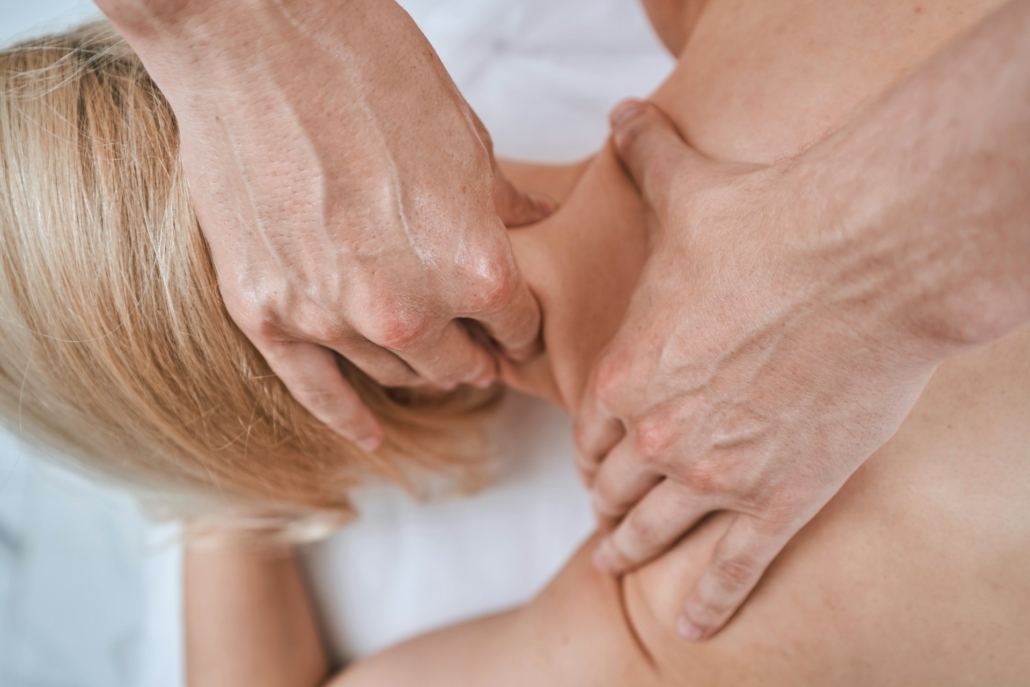
Some providers specialize in non-invasive care such as manual therapy, acupuncture, or soft tissue work. These methods aim to reduce tension, improve circulation, and support recovery without medication or surgery. They can be useful as part of a broader plan.
In many cases, patients benefit from a combination of these approaches. A well-rounded plan may include movement work, hands-on care, and targeted treatment depending on how pain presents.
Matching the type of practice to your needs can make a meaningful difference in your recovery.
Precise Chiropractic & Rehabilitation Approach to Pain Management
At Precise Chiropractic & Rehabilitation, care is centered on how your body moves and what may be contributing to ongoing pain. The focus is on identifying patterns that affect your joints, muscles, and daily function. This allows treatment to stay targeted and practical.
How Care Is Tailored to Your Recovery
Treatment plans often combine chiropractic adjustments, soft tissue work, and movement-based rehab. This combination helps reduce tension, improve mobility, and support more stable movement over time. The goal is to address both symptoms and underlying causes.
Care is also adapted as your body changes. As pain improves and movement becomes easier, the plan evolves to support long-term function and prevent setbacks. This keeps progress steady and aligned with your goals.
Patients are guided through simple strategies they can use outside the clinic. These may include posture changes, mobility work, and daily habit adjustments that reduce strain. Small changes often help reinforce what’s done during visits.
The overall aim is to help you move with less discomfort and more confidence. By focusing on function, not just pain, care supports a return to daily activities in a way that feels sustainable.
Scheduling Care Without Delaying Relief
Waiting too long can make pain tougher to treat. If your symptoms are messing with sleep, work, or movement, it might be time to book an appointment. Getting started sooner can save you frustration and wasted time. That first step can move you closer to relief and getting your life back.
When Same-Day Appointments May Help
Same-day appointments can help when pain suddenly gets worse or starts affecting basic things. They’re also useful if a new injury needs a quick look. Quick access matters when pain is changing fast. Early care can help you avoid more strain while you wait for answers.
Questions to Ask Before You Schedule an Appointment
Before you book, ask what types of pain treatments are available. You might also want to know how the clinic builds a pain management plan and how follow-up care works.
Here’s a short list to make your call easier:
- Do you treat my type of pain?
- What should I bring to my first visit?
- How soon can I be seen?
- What does recovery usually look like?
- Will my plan include steps I can do at home?
Preparing for Your First Visit and Next Steps
Jot down your symptoms, any meds you take, and treatments you’ve tried before. Maybe add a note about which activities seem to make things worse.
Try to talk about your goals in plain language. Want to walk longer? Sleep through the night? Get back to your favorite workout? Just say it. That way, your plan can fit your real life.
Pain management in Crofton can do more than just help you get by. The goal is to help you move more easily, regain function, and feel more at home in your body. Isn’t that what everyone really wants?
Take Control of Pain and Get Back to Your Routine
Pain can take over your daily life, but the right approach can help you regain control. When treatment focuses on movement, function, and the source of discomfort, recovery becomes more achievable.
At Precise Chiropractic & Rehabilitation, care is tailored to your symptoms, daily needs, and long-term goals. The focus is on helping you move better, feel stronger, and return to your routine with confidence.
If you’re ready to take the next step, book an appointment today and start building a plan that supports lasting relief.
Frequently Asked Questions
What is pain management, and how does it work?
Pain management focuses on reducing discomfort and improving function. It combines treatments like therapy, movement, and targeted care. The goal is to help you return to daily activities with fewer limitations.
When should I seek pain management care?
You should seek care if pain lasts more than a few days or keeps returning. It’s also important if pain affects your sleep, work, or movement. Early care can prevent long-term issues.
What types of pain can be treated?
Pain management can help with back pain, neck pain, headaches, and nerve-related symptoms. It also addresses chronic conditions and repetitive strain injuries. Treatment is based on the cause of pain.
Is pain management only for chronic pain?
No, pain management can help with both acute and chronic pain. Early treatment can prevent symptoms from becoming long-term. It also supports faster recovery.
How long does pain management take?
The timeline depends on the cause and severity of pain. Some people improve quickly, while others need ongoing care. Consistency is important for lasting results.



Leave a Reply
Want to join the discussion?Feel free to contribute!