
What Is Physical Rehabilitation and How Recovery Restores Your Life
What is physical rehabilitation, and how recovery restores your life becomes a real question when pain or injury starts limiting simple things. If moving, working, or even getting through the day feels harder, your body is asking for support.
At Precise Chiropractic & Rehabilitation, we know you’re not just trying to feel better—you want your normal life back. Care focuses on helping you move with confidence and rebuild strength in a way that fits your routine.
This guide explains what physical rehabilitation involves and how it supports recovery step by step. You’ll also learn how the right plan can help you regain function, reduce pain, and return to daily life.
How Rehabilitation Helps You Get Back to Daily Life
Rehabilitation isn’t just about easing discomfort for a little while. It aims to restore function, improve movement, and help you handle the tasks that matter most in your day.
Physical rehab, physical rehabilitation, and rehabilitation medicine all have the same big goal—helping you recover what pain or injury has taken away. Maybe that means walking with less stiffness, carrying groceries, or getting through work without flare-ups.
The Real Goal: Restore Function, Not Just Reduce Symptoms
Pain relief matters, of course. Pain can wear you down and stop you from moving. Still, the bigger goal is to restore function so your body can handle daily life again.
That might mean improving your range of motion, strength, balance, or endurance. In real life, physical rehab helps you get back to normal movement patterns, so your body works better.
How Rehabilitation Supports Independence With ADLs
Activities of daily living, or ADLs, are the basic things you might not even notice until pain gets in your way. Bathing, dressing, cooking, driving, or standing up from a chair can all become tough.
Rehabilitation supports ADLs by helping you stay independent. That can ease stress at home, reduce the need for extra help, and make daily life feel manageable again.
Why Quality of Life Matters as Much as Pain Relief
Quality of life isn’t a luxury. It affects your mood, sleep, social life, and confidence in your body.
If pain keeps you from seeing friends, playing with your kids, or staying active, the problem goes way beyond soreness. Physical rehab aims to give you back the routines and activities that make your days feel full.
Physical Rehabilitation vs Physical Therapy
Physical therapy is a big part of many recovery plans, but physical rehabilitation often covers more ground. PT can be one piece of a larger rehab program, which may include other professionals and services.
People use the terms interchangeably, but in practice, the plan is often wider than just a single appointment or provider.
| Term | What It Usually Means | Main Focus |
| Physical therapy | Care from a physical therapist or therapists | Movement, strength, balance, and pain reduction |
| Physical rehabilitation | A wider recovery process | Restoring function and daily activity |
| PT | Short form for physical therapy | Common shorthand in clinics and conversations |
| Rehabilitation team | A group of rehab professionals | Coordinated care across several needs |
Where PT Fits Into the Bigger Recovery Process
A physical therapist helps you improve movement, reduce pain, and rebuild strength. PT often uses exercise, hands-on care, and home practice to move you forward.
Physical rehab might start with PT and then expand as your needs change. If your recovery affects work, speech, or self-care, the plan may need more support.
When Care Includes More Than a Physical Therapist
Some recovery plans include occupational therapy, speech therapy, or other services. That’s common after stroke, brain injury, surgery, or a long hospital stay.
A rehab team can also include people who help with mobility devices, daily tasks, or communication skills. The right mix depends on what’s holding you back.
Why the Terms Are Often Used Interchangeably
People often say physical rehabilitation when they mean PT, since both are tied to healing and movement. That’s normal in everyday talk. The label doesn’t matter as much as whether your care plan helps you restore function and get back to the life you want.
Who May Be Part of Your Recovery Team
Your recovery might involve more than one expert, especially if pain or injury touches many parts of your life. A strong rehab team brings together the right skills so your care fits your needs.
This team approach improves education, communication, and follow-through. It also makes it easier to stay on track between visits.
What a Physiatrist Does
A physiatrist is a doctor trained in physical medicine and rehab, sometimes called PM&R. This type of doctor focuses on function, movement, and recovery after illness or injury. Physiatrists help choose therapies, guide testing, and adjust treatment as you improve.
They’re especially helpful when pain, weakness, or mobility problems affect more than one area.
How Occupational and Speech Therapy Add Support
Occupational therapy helps you with the skills you need for daily life. Dressing, cooking, using a computer, or returning to work safely are all common goals.
Speech therapists help when speech, swallowing, or thinking skills are affected. Their support is important after a brain injury, stroke, or other neurologic problems.
Why Team-Based Care Improves Recovery
Team-based care keeps you from getting one-size-fits-all treatment. Different professionals focus on different problems at the same time. That matters when your goal is better function and more independence. A coordinated team can make your recovery more complete and practical.
Conditions and Challenges Rehabilitation Commonly Treats
Physical rehab helps with many conditions that affect movement, strength, and daily life. Some issues appear suddenly, like sports injuries or accidents. Others build up slowly, like arthritis or chronic neck pain.
The right plan depends on the area involved and the type of loss you’re facing. Rehab medicine adapts care to fit your condition, age, and activity level.
Musculoskeletal Pain and Orthopedic Injuries
Musculoskeletal problems include pain in muscles, joints, tendons, ligaments, and bones.
Common examples are neck pain, low back pain, sprains, strains, and orthopedic injuries. Sports medicine patients often need rehab after a pulled muscle, joint injury, or overuse. The goal is to settle pain, restore safe movement, and lower the chance of repeat injury.
Neurology Conditions Such as Brain Injury and Spinal Cord Injury
Neurology-related rehab follows brain injury or spinal cord injury. These cases affect walking, balance, strength, coordination, and independence.
Here, rehab may include physical therapists, occupational therapists, speech therapists, and others. The plan changes as you regain skills and adjust to new limits.
Specialty Needs in Pediatrics, Cancer Rehabilitation, and Pelvic Health
Pediatrics may need special rehab for movement delays, developmental needs, or injury recovery.
Kids need care that fits their age, growth, and family routines. Cancer rehab helps with fatigue, weakness, pain, and mobility changes after treatment. Pelvic health rehab supports bladder control, pelvic pain, or postpartum recovery.
What Treatment May Look Like From Evaluation to Progress
Physical rehab usually starts with a careful evaluation. From there, your team builds a plan that matches your goals, pain level, and current ability. Treatment combines movement work with education and home practice. That mix helps you reduce pain and make progress that lasts.
Assessment, Goal Setting, and Personalized Care Plans
Your first visit usually includes questions about symptoms, history, movement limits, and daily tasks that are tough.
The provider tests strength, balance, posture, and flexibility. A personalized plan matters because your recovery shouldn’t look like anyone else’s. Your goals might be returning to work, walking without limping, or lifting your child without pain.
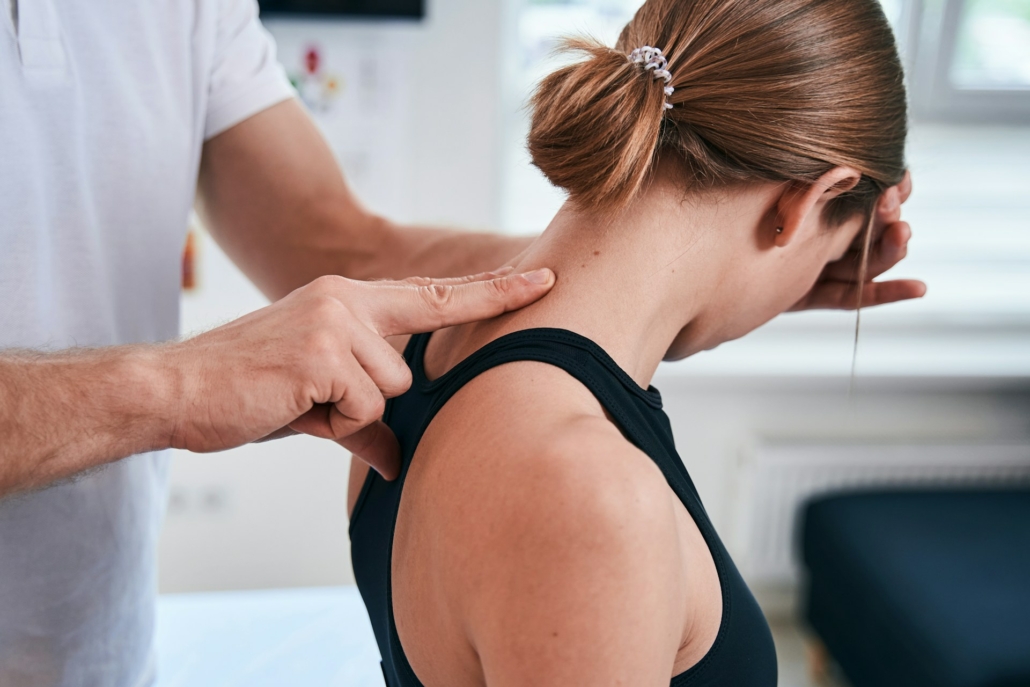
Therapeutic Exercise, Manual Therapy, and Home Programs
Therapeutic exercise is at the core of many rehab plans. These exercises rebuild strength, improve control, and help prevent injury. Manual therapy eases stiffness and improves movement.
A home program matters too, since small daily efforts often drive steady progress between visits.
Common parts of a rehab plan may include:
- Stretching to improve motion
- Strength training for weak muscles
- Balance drills to improve steadiness
- Posture training for daily tasks
- Activity changes to prevent flare-ups
Pain Relief Options Including Injections and Dry Needling
Some plans include dry needling, trigger point injections, or ultrasound-guided injections when pain blocks movement. These options can lower pain enough for exercise and daily activity.
Pain relief is useful when it helps you keep moving. The best plans connect relief with restoring function, not just short-term comfort.
Where Rehabilitation Happens and How Care Changes by Setting
Physical rehab happens in different settings, depending on how much help you need. Some people need close support after surgery or injury. Others do best with regular outpatient visits or care at home.
The setting affects how often you’re seen, how much support you get, and how quickly your plan can change. Services should match your current needs.
Hospital and Inpatient Rehabilitation
Inpatient rehab happens while you stay in a hospital-based unit or rehab program. This setting is common after major surgery, stroke, or serious injury. Here, care is intensive and closely coordinated.
The team works with you each day so you can build enough function to move to the next step.
Skilled Nursing, Rehab Centers, and Outpatient Therapy
A skilled nursing facility helps if you need more support before going home. Rehab centers provide structured therapy after illness or injury. Outpatient therapy is common when you live at home and come in for visits. This works well when you need steady progress, but not round-the-clock care.
Home-Based Options and In-Home Therapy
In-home therapy helps if travel is hard or you’re still gaining basic mobility. A provider comes to your home and works with you, where you actually move. That’s useful for stair practice, fall prevention, or safe transfers from bed to chair.
It also makes rehab feel more real, since the work connects to your daily routine.
Tools, Testing, and Technology That Support Recovery
Some recovery plans need more than exercise and hands-on care. Testing and technology help your team find the cause of a problem and choose your next step. Physical medicine and rehab specialists often use these tools, especially when symptoms are complex or slow to improve.
How Modern Rehabilitation Uses Technology to Improve Outcomes
Technology can play a valuable role when recovery becomes more complex. According to the National Institutes of Health, tools like electrical stimulation and assistive devices can support muscle activation and improve functional outcomes during rehabilitation.
These tools work best when combined with active movement and exercise. They support progress, but they do not replace the core goal of restoring strength and mobility.
EMG and Nerve Conduction Studies
EMG, or electromyography, checks how muscles respond to nerve signals. Nerve conduction studies measure how well signals travel through nerves.
These tests help when numbness, weakness, or tingling makes the problem unclear. They give the doctor useful information about where the issue starts.
Assistive Technology and Adaptive Equipment
Assistive technology includes braces, walkers, canes, splints, or other devices that make movement safer. Adaptive equipment helps with dressing, bathing, work, or driving. The goal isn’t dependence. The goal is to support function while you regain strength, confidence, and control.
Electrical Stimulation and Other Supportive Modalities
Sometimes, electrical stimulation helps activate muscles, ease pain, or support movement practice. Other supportive tools can make exercise more bearable, especially on tough days.
These methods really shine when you use them as part of a bigger rehab plan. They help with recovery, but the core focus still sits with movement, building strength, and getting function back for the long haul.
So, what is physical rehabilitation? At its heart, it’s about helping you reclaim your body and your life.
It’s not just about covering up symptoms for a quick fix. Real rehab feels personal and practical, shaped around what you need right now. If pain, weakness, or stiff movement is holding you back, physical rehab could be your next real step.
Rebuild Movement and Take Back Control of Your Life
Physical rehabilitation is about more than recovering from pain—it’s about getting your life back. With the right approach, you can rebuild strength, improve movement, and regain confidence in your body.
At Precise Chiropractic & Rehabilitation, care is centered on your goals, your daily needs, and how your body responds to treatment. Each plan is designed to help you move better, function more easily, and return to what matters most.
If you’re ready to move forward, request an appointment today and start building a recovery plan that works for you.
Frequently Asked Questions
What is the main purpose of physical rehabilitation?
The main purpose of physical rehabilitation is to restore movement and function. It helps your body recover after injury, illness, or surgery. The goal is to improve your ability to handle daily activities.
How is physical rehabilitation different from physical therapy?
Physical therapy is often one part of a broader rehabilitation plan. Rehabilitation may include multiple therapies depending on your needs. It focuses on overall function, not just one area of care.
How long does physical rehabilitation take?
The timeline depends on your condition and how your body responds to treatment. Some people improve in a few weeks, while others need longer care. Consistency plays a big role in recovery.
Who needs physical rehabilitation?
People recovering from injuries, surgery, or chronic conditions may benefit from rehabilitation. It also helps those with mobility or strength limitations. The plan is tailored to your specific needs.
Can physical rehabilitation help with chronic pain?
Yes, rehabilitation can help manage chronic pain by improving movement and strength. It focuses on addressing the underlying cause of discomfort. This approach supports long-term improvement.



Leave a Reply
Want to join the discussion?Feel free to contribute!