
Medical Massage Clinic: A Practical Option for Pain Relief and Recovery
Medical Massage Clinic care often becomes a practical option when pain, tension, or stiffness keeps interfering with how you move and feel. When symptoms linger beyond a few days, many people start looking for something more targeted than general relaxation.
At Precise Chiropractic & Rehabilitation, care focuses on how soft tissue, movement, and daily habits contribute to discomfort. The aim is to reduce tension while helping your body function more comfortably throughout the day.
This guide explains how medical massage works and when it may fit into your recovery plan. You’ll also learn what to expect and how treatment supports both relief and long-term function.
When Targeted Bodywork Makes More Sense Than a Spa Visit
A spa massage revolves around relaxation. Medical massage clinics take a different path. Your pain, posture, and what you can’t do shape the session. The goal isn’t just to feel good for an hour—it’s to help you move better in your everyday life.
People use medical massage as part of therapy when they want pain relief and better function. It can help with muscle strains, tight joints, or overused areas. It also fits if your pain connects to work, sports, or stress that keeps repeating itself.
How Medical Massage Therapy Focuses on Pain Patterns and Function
A medical massage therapist looks at where you hurt, what makes it worse, and which movements feel off. That way, the session targets the tissues that matter, not just the spots that feel tense right now.
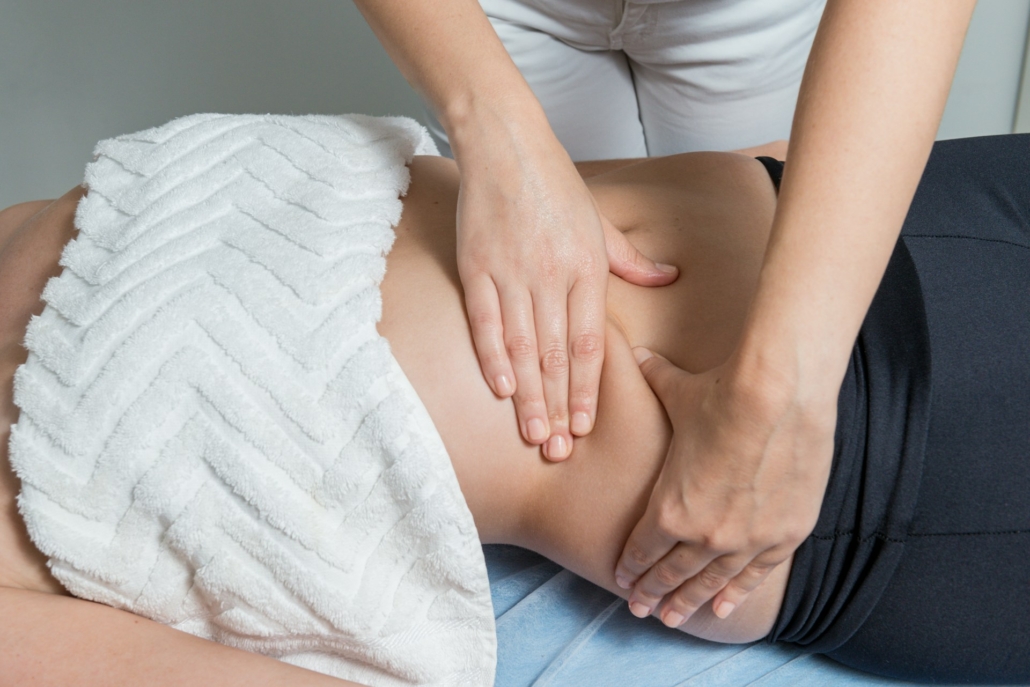
They might use pressure, kneading, friction, or compression to calm sore muscles and help them work more normally. The aim is to cut pain and improve motion, so you can sit, stand, reach, and walk with less trouble.
How a Massage Clinic Differs From a Medical Massage Clinic
A regular massage clinic might offer all kinds of massages, many for relaxation. Medical massage clinics usually build each visit around a specific health concern—think pain, swelling, or limited movement.
That difference really matters if you want more than just stress relief. Sure, you might feel relaxed during care, but the main focus is clinical support and better function. The plan feels more focused, more personal, and tied to your recovery.
| Feature | Spa Massage | Medical Massage Clinic |
| Main goal | Relaxation | Pain relief and function |
| Session focus | General comfort | Specific problem areas |
| Care plan | Often one-time | Often part of a treatment plan |
| Results sought | Stress reduction | Better movement and long-term relief |
When Relaxation Massage and Clinical Care Overlap
Sometimes, relaxation and clinical care overlap. When your muscles loosen up, pain can drop, your breathing might slow, and your body can feel safer to move.
That’s why medical massage still feels calming. You may leave with less tension and a better sense of control over your body. For a lot of people, that’s the first step toward real recovery.
Concerns a Treatment Plan Can Address
A medical massage clinic can help with pain that’s lasted too long to ignore. It supports you when movement feels stiff, sore, or uneven after injury or daily strain.
Treatment plans get shaped around your symptoms and what you can or can’t do. That makes care more useful when you want relief that lasts past the appointment.
How Massage Supports Pain and Mobility
Targeted massage can influence both muscle tension and circulation. According to the Mayo Clinic, massage therapy may help reduce pain, improve circulation, and support relaxation.
These effects can make movement easier and reduce discomfort during daily activities. Over time, this may support better mobility and function.
Chronic Pain, Injury Recovery, and Mobility Limits
Chronic pain changes how you move through your day. You might skip exercise, avoid lifting, or wake up already sore.
Medical massage can help loosen tight tissues and ease pressure around sore spots. That supports injury recovery and helps you move with more confidence, especially if you’ve been guarding certain movements for too long.
Support for TMJ, Migraines, and Neck or Shoulder Tension
People often look for massage therapy to help with jaw tension, headaches, or neck pain. TMJ issues, migraines, and shoulder tightness can all connect back to muscle strain and stress.
Targeted work can relax these areas and cut the tension that keeps symptoms going. If you spend hours at a desk, drive a lot, or clench your jaw, this kind of care might fit your needs.
Care Options for Fibromyalgia, Edema, and Postural Strain
Fibromyalgia can make your whole body feel sensitive. Gentle massage might be part of a plan that respects that sensitivity and aims for comfort.
Edema and postural strain respond to focused care, too. Swelling, sitting habits, or poor posture can mess with your daily comfort. A medical massage clinic may use techniques to support circulation, ease tension, and help your body feel lighter.
Some common reasons people seek medical massage include:
- Ongoing muscle tightness
- Pain after injury
- Limited range of motion
- Jaw or neck tension
- Swelling or fluid buildup
- Stress that shows up in the body
Techniques and Services You May See on the Menu
A medical massage clinic usually offers more than one type of bodywork. The right method depends on your symptoms, your tolerance, and your recovery goals.
Some services calm swelling. Others go after stubborn knots or deeper tension. The best plans match the method to the problem, so the work feels useful, not random.
Lymphatic Drainage for Swelling and Recovery Support
Lymphatic drainage is a gentle technique that helps move fluid and supports recovery. Therapists often use it when edema is part of your symptoms or when swelling slows your comfort and movement.
This style of massage feels light and controlled. It doesn’t force tissue, so it works well for people who need a softer touch during healing or when tissues feel irritated.
Trigger Point and Deep Tissue Work for Stubborn Tension
Trigger point work targets tight spots that send pain into nearby areas. Deep tissue work uses firmer pressure to reach muscles that stay tense for a long time.
These methods can help if you feel a stubborn ache that keeps coming back. They’re not supposed to hurt, and a good therapist will adjust the pressure to keep you comfortable.
Complementary Options Like Acupuncture and Ultrasonic Cavitation
Some clinics offer extras like acupuncture or ultrasonic cavitation. Acupuncture might be part of a bigger wellness plan, while ultrasonic cavitation is often linked to body-shaping or aesthetics.
If those options are available, ask how they fit with your goals. The clinic should explain what each service is for, so you know if it supports pain relief, recovery, or something else.
What Happens During Your Appointment
Your first visit should feel organized, not rushed. A medical massage clinic usually starts by asking about your symptoms, your history, and what you hope will get better.
That first chat shapes the plan. It also helps the massage therapist figure out where your pain starts, where it spreads, and what pressure you can handle.
Assessment, Health History, and Goal Setting
A therapist might ask about injuries, surgeries, medications, and daily habits. You’ll probably talk about where you feel pain, what makes it worse, and what you want to do again without discomfort. That info matters because medical massage isn’t a one-size-fits-all thing.
Your goals might be pain relief, better sleep, easier movement, or less tension during work and exercise.
How Massage Therapists Personalize Pressure and Technique
Therapists adjust pressure based on your comfort and your condition. Some people need gentle work. Others do better with deeper pressure or focused trigger point care. Good communication counts.
You should feel free to say when something’s too much or when a spot needs more attention. That makes the care safer and more effective.
What to Expect After a Session and Between Visits
After a session, you might feel looser, calmer, or a bit sore in the treated areas. Mild soreness can pop up when tight tissues begin to relax and change. Between visits, you might get advice on stretching, posture, hydration, or rest.
These small steps support the work done in the clinic and help you keep making progress at home.
Choosing a Provider You Can Trust
The quality of care depends a lot on the provider. A good medical massage clinic should have trained therapists, clear communication, and a care plan that fits your needs.
You deserve a place where people listen and treat your pain with respect. That’s even more important when you’ve had symptoms for weeks or months.
Training, Licensure, and Experience That Matter
Ask if the massage therapist is licensed and trained for the care you need. Experience matters, especially if you’re dealing with pain from injury, chronic tension, or a tricky health history. A skilled provider knows how to work with soft tissue without pushing too hard.
They also know when massage therapy can help and when you might need a different type of care.
Questions to Ask Before Booking
Before your first appointment, ask a few questions. The answers can tell you a lot about the clinic.
- What conditions do you commonly treat?
- How do you tailor pressure and technique?
- Do you offer medical massage as part of a treatment plan?
- Can you work with my doctor if needed?
- What should I expect after the first visit?
If the answers are clear and patient-focused, that’s usually a good sign. You should leave feeling like your concerns were heard.
When Coordination With Your Doctor Is Helpful
Sometimes, you need shared care. If pain ties back to a medical diagnosis, a recent injury, or ongoing swelling, your doctor might need to be part of the plan. Coordination helps if you’re managing migraines, TMJ symptoms, or fibromyalgia.
A clinic that works well with other providers can support your recovery in a safer, more complete way.
Making Care Part of a Real Recovery Plan
One massage can feel great, but lasting improvement usually takes a plan. That plan might include massage therapy, movement work, and small changes in daily habits.
The best results come when pain relief and function get treated as equal goals. You want less discomfort, but you also want to move, work, and live more normally.
How Often Sessions Are Typically Scheduled
Session frequency depends on your condition and your goals. Some people start with more visits, then space them out as pain gets better and movement improves. A clinic should help you adjust the schedule based on your progress.
If pain returns quickly, you might need a different plan than someone who improves steadily after each visit.
Balancing Pain Relief, Relaxation, and Daily Function
Relaxation matters, especially when pain has worn you down. A calmer body moves better and heals better.
Still, your care should keep daily function in mind. The real aim is to help you sit longer, sleep better, walk farther, lift more easily, and return to routines pain has taken away.
When Ongoing Care Supports Long-Term Wellness
Some folks find that short-term care solves a specific problem. Others, though, notice real benefits from regular visits. Those check-ins can stop flare-ups and keep your body moving the way you want.
Long-term wellness doesn’t mean endless appointments. It’s more about figuring out what level of support keeps pain from running your life, messing with your mood, or stealing your energy.
If you’re curious whether this kind of approach could help, maybe reach out to a local spot that offers massage therapy.
Around Crofton, Bowie, and Odenton, MD, you can ask about a medical massage clinic that really listens to your pain, your goals, and what it’ll take to get you back to your normal routine.
Take the Next Step Toward Relief and Better Movement
Ongoing tension and discomfort can limit how you move and feel each day. When care focuses on the source of that tension, it becomes easier to restore comfort and function.
At Precise Chiropractic & Rehabilitation, treatment is built around your symptoms, movement patterns, and recovery goals. The focus is on helping you feel better while supporting long-term improvement.
If you’re ready to move forward, book an appointment today and explore a care plan that supports both relief and daily function.
Frequently Asked Questions
What is a medical massage clinic?
A medical massage clinic focuses on treating specific pain or movement issues. Sessions are tailored to your symptoms and goals. The aim is to improve function, not just relaxation.
How is medical massage different from regular massage?
Medical massage targets specific problem areas and is often part of a treatment plan. Regular massage is usually focused on relaxation. The goals and techniques are more clinical in medical massage.
How often should I get a medical massage?
Frequency depends on your condition and goals. Some people benefit from weekly sessions at first. Over time, visits may become less frequent as symptoms improve.
Is medical massage painful?
Medical massage should not feel overwhelming or harmful. Some techniques may feel intense, but should stay within your comfort level. Communication with your therapist is important.
Can medical massage help with chronic pain?
Yes, it may help reduce muscle tension and improve movement. It works best as part of a broader care plan. Results depend on the cause of the pain.



Leave a Reply
Want to join the discussion?Feel free to contribute!