
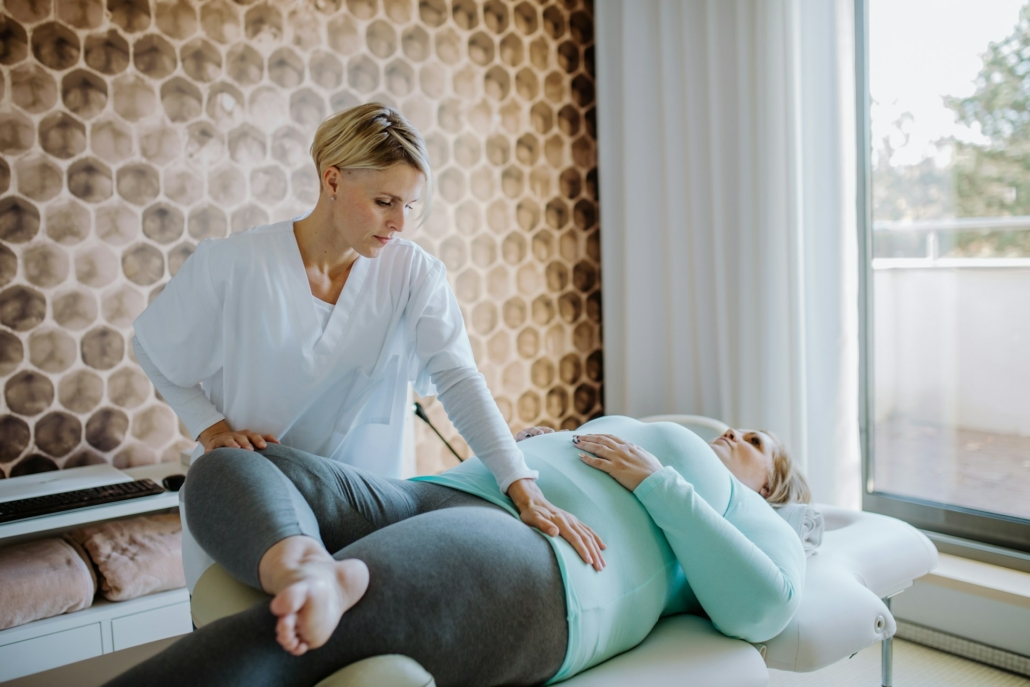
Can a Chiropractor Help With SI Joint Pain and Improve Stability?
You have been dealing with a deep ache near your lower back or buttock that does not fit the usual back-pain description. Maybe it sharpens when you stand, shifts to one side as you walk, or radiates into your hip so that every movement feels like a gamble.
If rest, stretching, and the usual anti-inflammatories have not helped, you might suspect your sacroiliac joint, and wonder whether a chiropractor can actually make a difference with SI joint pain.
SI joint dysfunction is one of the more overlooked causes of lower back and pelvic pain, and it often responds well to a mix of hands-on chiropractic adjustment, targeted soft tissue work, and corrective exercise. The catch is that it is easy to mistake for other problems, so the first job is making sure the SI joint is really the source.
In this guide, you will learn what the sacroiliac joint actually does, how to tell if your pain comes from there rather than the spine or hip, what a chiropractic evaluation involves, and how conservative care can restore both motion and stability. Pinning down where the pain starts matters before you commit to any treatment.
What the Sacroiliac Joint Does and Why It Hurts
The sacroiliac joint connects your spine and pelvis, and it plays a bigger role in movement than most people realize. When it is not working right, the pain can mimic sciatica, hip problems, or general low back trouble, which makes it hard to pin down without a focused exam.
Where the SI Joint Sits in the Pelvis
You have two SI joints, one on each side of the pelvis. Each sits where the sacrum, the triangular bone at the base of your spine, meets the ilium, the broad wing-shaped bone on either side. A tough network of ligaments holds the sacroiliac joint tightly together.
These joints barely move. Their main job is to absorb and transfer force between your upper body and legs each time you walk, climb stairs, or bend. Think of them as shock absorbers that keep the pelvis steady.
Even a small change in how the joint sits or moves can send pain through your lower back, buttock, or hip.
How SI Joint Dysfunction Differs from General Low Back Pain
SI joint dysfunction, whether the joint is too loose (hypermobile) or too stiff (hypomobile), can produce symptoms that overlap with common lumbar spine problems.
The differences are location and behavior. SI joint pain is usually specific to one side of the lower back or buttock, and it often worsens with things like standing on one leg or rolling over in bed.
General low back pain from the lumbar spine tends to sit closer to the center of the back and spread more evenly. Leg pain from the SI joint can be hard to tell from pain caused by a lumbar disc herniation, which is exactly why a focused clinical exam matters.
What Sacroiliitis and Joint Irritation Can Feel Like
Sacroiliitis is the clinical term for inflammation of the SI joint. It is inflammation of one or both sacroiliac joints, which connect the lower spine and pelvis. When the joint is inflamed or irritated, you may feel a burning or aching pain in the lower back or buttock that worsens with sitting, standing for long periods, or climbing stairs.
Some people notice stiffness first thing in the morning that eases once they move. Others describe a sense that the pelvis feels off or unstable. That instability is often what leads people to consider chiropractic care, and noticing how the pain shows up day to day helps confirm whether the SI joint is the real problem.
Signs Your Pain May Be Coming from the SI Joint
SI joint pain follows a pattern, but it is easy to mistake for other issues because it shares symptoms with sciatica, hip bursitis, and lumbar disc problems. Paying attention to when and where the pain shows up helps you and your chiropractor zero in on the cause.
Common Symptoms During Sitting, Standing, and Walking
The most common complaint is a one-sided ache in the lower back or deep in the buttock. It often shifts with your position. A lot of people can cover the sore spot with a single fingertip, just beside the belt line, and that pinpoint location is itself a clue the SI joint is involved.
- Sitting: pain ramps up after 15 to 20 minutes, especially on hard chairs or with legs crossed.
- Standing: shifting weight to the sore side can make it worse
- Walking: you might notice an uneven stride or a catching feeling in the pelvis
- Rolling in bed: turning over at night can send a sharp stab near the belt line
- Climbing stairs: stepping up with the affected leg often brings more discomfort
- Sit to stand: the first few steps after getting up can feel stiff and painful
Some people also feel pain down the back of the thigh, but usually not past the knee. That is a key difference from sciatica, which can send pain all the way down the leg.
Why SI Symptoms Are Often Mistaken for Sciatica or Spine Conditions
Both SI joint dysfunction and sciatica can cause buttock pain and trouble sitting. The difference is the nerve pathway. Sciatica involves irritation of the sciatic nerve, usually at the lumbar spine, and sends pain, numbness, or tingling down the leg toward the foot. SI joint pain tends to stay closer to the pelvis and upper thigh.
Because no single test confirms SI joint dysfunction, clinicians combine exam findings, movement tests, and sometimes imaging to separate it from a herniated disc or hip problem. That is why a proper evaluation by a trained provider matters before treatment begins.
When Red Flags Need Medical Evaluation First
Most SI joint pain responds to conservative care, but some symptoms need prompt medical attention. Unexplained weight loss with back pain, fever with joint inflammation, loss of bladder or bowel control, or worsening numbness or weakness in both legs are all red flags. In those cases, imaging or a specialist referral may be needed before any chiropractic care.
How a Chiropractor Evaluates SI Joint Problems
A solid chiropractic evaluation for SI joint pain covers more than the sore spot. It starts with your health history, looks at how you move, and includes hands-on tests designed to confirm or rule out SI joint dysfunction.
Health History, Movement Review, and Gait Assessment
Your first visit usually starts with a conversation about when the pain began, what makes it better or worse, and whether injury, pregnancy, or repetitive activity played a role. The chiropractor also asks about your job, your exercise habits, and what you have already tried.
Next comes a visual and functional movement check. The provider watches you walk, stand, squat, and bend, looking for asymmetry in how the pelvis and hips move. Watching your gait often reveals compensations, like leaning away from the painful side or shortening your stride to protect the joint.
Provocation Tests and Other Hands-On Exam Findings
Provocation tests are clinical maneuvers that stress the SI joint in a controlled way to see whether they reproduce your familiar pain. They include the FABER test, compression test, thigh thrust, and Gaenslen test, each applying a specific force to the joint.
Research supports using at least three provocation tests together rather than relying on one. If three or more reproduce your pain in the same spot, the SI joint is much more likely to be the source. The chiropractor will also palpate, or carefully press, the muscles and ligaments around the pelvis to find tenderness or spasm.
When Imaging or Referral May Be Part of the Process
Most SI joint dysfunction can be identified with a hands-on exam, without imaging. X-rays or MRIs are reserved for cases where there is a suspicion of fracture, inflammatory arthritis, or structural change that would alter the treatment plan.
If your history or exam suggests something outside the chiropractor’s scope, a responsible provider refers you for further testing or co-manages your care with a specialist. That is standard in evidence-based practice.
How a Chiropractor Helps With SI Joint Pain
Chiropractic care for SI joint dysfunction blends hands-on treatment, soft tissue therapy, and rehabilitative exercise to restore joint mechanics and build the stability that keeps pain from returning. No single technique does all the work.
Chiropractic Adjustment and Spinal Manipulation for Joint Mechanics
A chiropractic adjustment for the SI joint applies a controlled, directed force to the pelvis to restore normal position and motion. Sometimes there is a pop, called cavitation, which is just gas releasing from the joint fluid. It is painless for most people and does not mean anything is breaking.
The aim is to improve how the SI joint moves so the surrounding muscles and ligaments can work normally again. A growing body of research supports chiropractic for musculoskeletal pain as clinically effective and safe.
Spinal Mobilization and Gentle Chiropractic Techniques
Not everyone wants or needs a high-velocity adjustment. Spinal mobilization uses slower, lower-force movement to gradually increase motion in a stiff joint. Instrument-assisted methods, like the activator, deliver a precise, small impulse without a manual thrust.
These gentler options suit people with acute inflammation, older adults, or anyone who prefers a softer approach. The chiropractor picks the technique based on your exam, your comfort, and how your body responds.
Dry Needling, Soft Tissue Work, and Adjunctive Therapy
The muscles around the SI joint, like the gluteus medius, piriformis, and the deep low-back muscles, tend to tighten and develop trigger points that make the joint problem worse. Trigger point dry needling uses a thin, sterile needle to target those knots, releasing tension, improving blood flow, and cutting referred pain. It can feel strange at first, but many people find it effective.
Therapeutic massage and soft tissue work make the adjustments more effective by loosening the muscles that pull the pelvis out of place. Combined, each therapy helps the others work better. It is rarely one thing alone that does it.
| Treatment Modality | Primary Goal | Best Suited For |
|---|---|---|
| Chiropractic adjustment | Restore SI joint position and motion | Joint stiffness, restricted movement |
| Spinal mobilization | Gradually increase range of motion | Acute pain, sensitive patients |
| Dry needling | Release muscle trigger points | Tight glutes, piriformis spasm |
| Therapeutic massage | Reduce overall muscle tension | Guarding, chronic tightness |
| Functional rehabilitation | Build lasting pelvic stability | Preventing recurrence |
Functional Rehabilitation for Lasting Pelvic Support
Adjustments and soft tissue work ease the immediate pain, but functional rehabilitation is what keeps it from coming back. Targeted rehab strengthens the muscles that stabilize the pelvis, improves core control, and retrains movement patterns that put extra stress on the SI joint in the first place.
A good program is built around your actual exam findings, your daily routine, and what you want to get back to doing. The exercises become your homework between appointments. It is not glamorous work, but it is what holds the gains.
What Recovery Often Includes Between Visits
What you do at home between appointments matters a great deal. Your chiropractor gives you specific exercises and guidelines that match where you are in healing. Showing up to the office is only half of it; much of the real progress happens in your living room.
Pelvic Tilts, Hamstring Stretch, and Core Control
Three kinds of home exercise come up again and again for SI joint recovery:
- Pelvic tilts: lying on your back with knees bent, you gently rock the pelvis forward and back. This builds control of pelvic position and wakes up the deep stabilizing muscles without irritating the joint.
- Hamstring stretches: tight hamstrings pull on the pelvis and can worsen SI joint issues. A basic stretch on your back, using a strap or towel to hold the leg up, eases that tension.
- Core bracing: moves like bird-dogs or dead bugs train the deep abdominal muscles to stabilize you. These are not crunches or sit-ups; they focus on slow, controlled movement with a steady trunk.
Start slow and stick to what your provider recommends. Pushing too hard too soon with core work can set you back.
Activity Changes to Reduce Flare-Ups
Some daily habits almost guarantee SI joint flare-ups. Sitting too long, especially with crossed legs or sunk into a soft couch, ranks high. Standing with all your weight on one hip, or sleeping on a sagging mattress, keeps you stuck in the pain cycle.
Small tweaks help. Use a firm chair with both feet on the floor. Sleep with a small pillow between your knees if you are on your side. Do not load one shoulder with a heavy bag. Sometimes an SI joint belt, a snug band around the pelvis, adds support during the worst phase, though it is usually short-term.
Other Non-Surgical Options That May Be Considered
If conservative care is not giving enough relief, your provider may discuss other options. Corticosteroid injections, which place anti-inflammatory medication into the joint, can calm things down and open a window for rehab to work.
In rare cases where months of non-surgical care and injections have not helped, minimally invasive SI joint fusion may come up. That is surgery, and it is a last resort. Most SI joint pain improves with the non-invasive strategies here, so starting with chiropractic care and rehab makes sense.
When It Makes Sense to Book an Evaluation
If SI joint pain has been disrupting how you sit, stand, walk, or sleep for more than a few weeks, it is probably time for a professional evaluation. You deserve a clear answer about what is going on and what you can do about it.
Who May Benefit from a Personalized Chiropractic and Rehabilitation Plan
You do not have to be in agony to benefit from an evaluation. Adults with stubborn one-sided lower back or buttock pain, pelvic instability after pregnancy, discomfort from long desk hours, or delayed hip pain are all good candidates. If rest, stretching, and over-the-counter medication have not solved it, combining chiropractic care and functional rehab targets what those miss.
Active people in Crofton, Bowie, Odenton, and Gambrills who want to get back to running, lifting, or exercising also benefit from having their pelvic mechanics checked before pushing through pain.
What to Expect from a First Visit in Crofton
Your first appointment at Precise Chiropractic & Rehabilitation starts with a health history and a real conversation about your symptoms, your goals, and your daily routine. The exam includes gait analysis, provocation tests, and a hands-on assessment of the pelvis and muscles. Based on what it shows, you get a treatment plan that may include adjustments, dry needling, massage, and a home exercise program, all built around your situation.
Some people feel relief after the first visit, but lasting change usually comes from sticking with both office care and at-home exercises over several weeks.
A Practical Next Step if Pain Keeps Limiting Daily Life
If SI joint pain keeps slowing you down, you do not have to keep working around it. Request an appointment with Precise Chiropractic & Rehabilitation to find out whether chiropractic care is the right next step. Dr. Hands is Trauma Team Certified and Dry Needling Certified, with more than a decade caring for patients across Crofton, Bowie, Odenton, and Gambrills.
Want to talk through your symptoms with a chiropractor in Crofton? Call (410) 370-0600 or request your consultation online.
Frequently Asked Questions
What Are the Most Common Causes of SI Joint Pain, and How Is It Different From Low Back or Hip Pain?
The usual causes are joint hypermobility (too much movement), hypomobility (too little), pregnancy-related ligament laxity, trauma, and arthritis-related change. SI joint pain usually stays on one side of the lower back or deep in the buttock and worsens with uneven activities like stairs or rolling in bed. That sets it apart from centralized low back pain or pain on the outside of the hip.
What Does an SI Joint Adjustment Involve, and What Should You Feel Afterward?
The chiropractor positions your pelvis and applies a quick, controlled force to the SI joint to get it moving properly. You might hear a pop, which is just gas leaving the joint. Most people feel immediate relief or a sense of looseness, though mild muscle soreness for a day or two is common.
Can Manual Treatment Make SI Joint Symptoms Worse, and What Are the Warning Signs?
Most of the time, well-performed chiropractic care is safe and well tolerated for SI joint pain. If you notice more numbness, sharp pain that keeps worsening, or new symptoms like leg weakness, tell your chiropractor right away so they can change the plan or refer you out.
How Do You Choose Between a Chiropractor and a Physiotherapist for SI Joint Pain?
Both can help. Chiropractors usually combine hands-on adjustments with rehab, while physiotherapists may focus more on exercise. The right choice depends on whether the joint needs to move better or whether muscle weakness is the main problem. Many people do best with a combined approach.
What At-Home Exercises Support Longer-Lasting Relief Between Appointments?
Pelvic tilts, supine hamstring stretches, and core stabilization moves like bird-dogs are top choices for SI joint pain at home. Consistency beats intensity. Doing them daily for even 10 to 15 minutes helps hold the gains from office visits.
When Should SI Joint Pain Prompt Imaging or a Referral?
Imaging usually comes into play if SI joint pain has not improved after four to six weeks of conservative care, if there is concern for a fracture or inflammatory arthritis, or if red flags like worsening weakness appear. Precise Chiropractic & Rehabilitation reviews each case individually and coordinates imaging or specialist referrals as needed for patients across Crofton, Bowie, Odenton, and Gambrills.



Leave a Reply
Want to join the discussion?Feel free to contribute!