
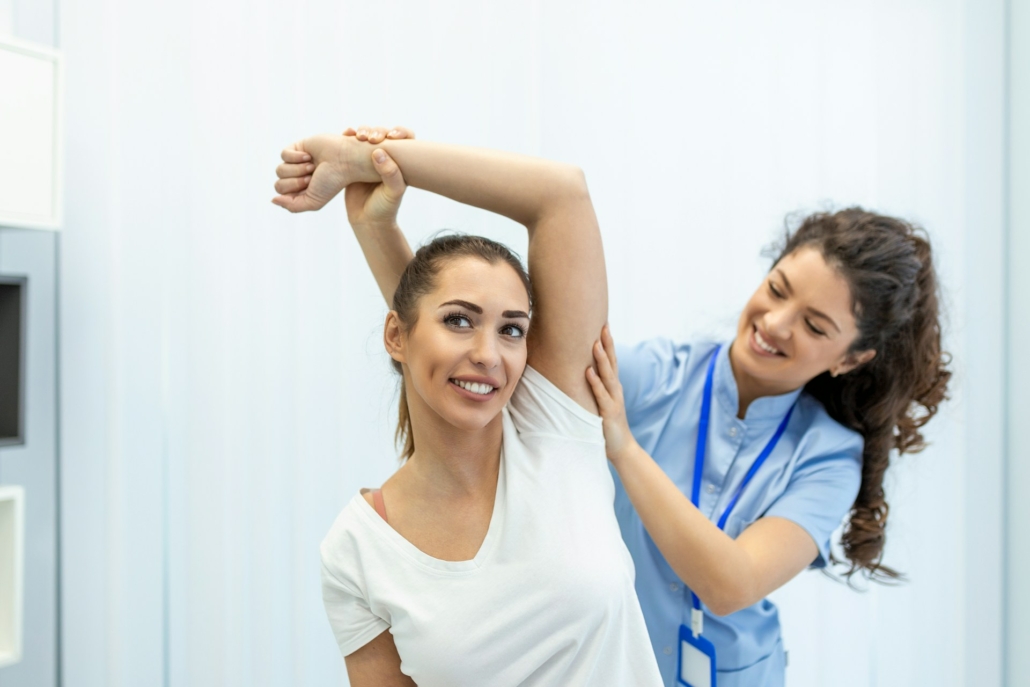
Can a Chiropractor Help With Tennis Elbow Without Surgery?
You reach for your coffee mug, and a sharp ache shoots through the outside of your elbow. Twisting a doorknob, shaking hands, even scrolling your phone at the wrong angle can light it up again. If this pain has dragged on for weeks or months despite rest, ice, and painkillers, you are probably wondering whether a chiropractor can help with tennis elbow, or whether surgery is the only option left.
Chiropractic care offers a real, non-surgical option for many people with stubborn elbow pain. A chiropractor trained in extremity adjustments, dry needling, and functional rehab can address the mechanical factors behind your symptoms, not just dull the pain. Often the elbow pain is tied to forearm tension, joint restrictions, and movement habits that rest alone does not fix.
Here is what is really going on with lateral epicondylitis, how it develops, how a chiropractor evaluates and treats it, and what kind of recovery timeline you might expect, whether your case is mild or stubborn. Knowing what is happening in your elbow before booking an appointment puts you in a better spot to ask the right questions and get care that actually helps.
When Chiropractic Is a Reasonable Next Step
Chiropractic treatment for tennis elbow makes sense when pain is not getting better with rest, keeps coming back, or stops you from doing things you need your arm for every day. It is not for every situation, but for a lot of adults with lingering elbow pain, it fills the gap between waiting it out and considering surgery.
How a Chiropractor Helps With Tennis Elbow
A chiropractor can help with tennis elbow by restoring proper joint motion in the elbow, wrist, and even the neck, all of which affect how stress moves through your arm. Adjustments reduce joint restrictions that force nearby muscles and tendons to work overtime.
Pair that with soft tissue therapy and targeted exercises, and you can see improvements in grip strength, less pain during daily tasks, and better tendon healing.
Chiropractic care is not a replacement for surgery when there is major structural damage, and it does not numb things like a cortisone shot. Instead, it offers a drug-free approach that focuses on why the tendon got irritated in the first place.
When Rest Alone May Not Be Enough
Rest helps at first, but if your pain returns as soon as you jump back into your routine, the underlying mechanical issue has not been fixed. Many people rest for weeks, feel a little better, then go back to typing or lifting, and the pain just cycles back. That usually means the muscles and joints are not moving right, and no amount of rest is going to retrain them.
This is where functional rehabilitation comes in. Strengthening weak forearm muscles and changing movement habits is what finally breaks the cycle of flare-ups.
When Elbow Pain Needs Medical Evaluation First
Not every case of outer elbow pain is tennis elbow. If your elbow is swollen, hot, or stuck in one position, those could point to a fracture, nerve entrapment, or something else that needs imaging or medical evaluation before considering chiropractic care. If you feel numbness running into your fingers, that could also point to a fracture or nerve entrapment. It may also signal something else that needs imaging or medical evaluation before considering chiropractic care.
A good chiropractor will check for these red flags at your first visit and send you to the right provider if needed.
What Lateral Epicondylitis Actually Means
Lateral epicondylitis is the technical name for tennis elbow. It means there is irritation or micro-damage at the spot where your forearm extensor tendons attach to the bony bump on the outside of your elbow. Oddly enough, most people with it have never played tennis.
How the ECRB Tendon Gets Irritated
The main muscle involved is the extensor carpi radialis brevis (ECRB). This small forearm muscle stabilizes your wrist when your elbow is straight. Every time you grip, twist, or lift with your palm facing down, the ECRB tendon tugs on its anchor point at the outer elbow.
When the ECRB is overused or pushed past its limit, tiny tears form where the tendon connects to bone.
Over time, those tears do not heal perfectly. The body lays down new tissue, but it is weaker and more sensitive than healthy tendon. That is why the problem often worsens if you keep repeating the same activity without changing how your arm handles the load.
Why Repetitive Strain Leads to Scar Tissue
Repetitive strain injury happens when you repeat the same motion over and over without enough recovery. Each repetition stresses the tendon. When damage outpaces repair, the tendon gets stuck in a cycle of chronic irritation. The body patches these micro-tears with scar tissue, which is stiffer and less flexible than normal tendon.
That scar tissue explains why your elbow can feel tight and sore even on days you have not done much. It also explains why stretching alone rarely solves the problem. Standard tennis elbow treatment confirms that targeted stretching and strengthening help, but hands-on therapy may be needed to break up adhesions and restore blood flow.
How the Kinetic Chain Can Add Stress to the Elbow
Your elbow does not work alone. It is part of a kinetic chain, a connected series of joints and muscles that includes your wrist, shoulder, and neck. If your shoulder is tight, your neck is off, or your wrist lacks flexibility, your elbow picks up the slack and takes on extra force.
This is why a chiropractor checks your whole upper body when you come in with elbow pain. A restriction in your neck or shoulder could be quietly adding load to the ECRB tendon every time you reach, type, or lift. Spotting these factors is what turns a short-term fix into something that actually lasts.
Signs, Triggers, and Risk Factors to Recognize Early
Tennis elbow symptoms usually creep up, and a lot of people ignore them for weeks before realizing the pain is not just going away. Catching the signs early and figuring out your personal triggers gives you a better shot at a shorter recovery.
Common Tennis Elbow Symptoms in Daily Life
The classic symptom is a burning or aching pain on the outer side of your elbow that worsens when you grip, twist, or lift. Maybe you notice it pouring coffee, turning a key, or shaking hands. Weak grip strength is another big clue.
A surprising number of people have never picked up a racket, and the first real warning is a milk jug that suddenly feels too heavy or a handshake that makes them wince.
The most common symptoms:
- Aching or burning on the outside of the elbow
- Pain that travels down the forearm toward the wrist
- Weak grip when holding objects or squeezing
- Stiffness in the elbow, especially in the morning
- Pain when extending your wrist against resistance
- Trouble carrying bags, opening jars, or using tools
These symptoms tend to get worse over time if you keep up the same aggravating activities.
Causes of Tennis Elbow Beyond Sports
Tennis elbow is not just a sports injury. Repetitive tasks like painting, gardening, woodworking, scrubbing, and even long hours at a computer can overload the same tendon, as outlined in research on tendonitis risk factors. Anything that involves repeated wrist extension or a strong grip puts stress on the ECRB tendon.
Auto mechanics, hairstylists, cooks, and warehouse workers get tennis elbow more often because their jobs demand constant forearm use. If your work or hobbies involve these motions, your risk goes up.
Desk Work, Grip Demands, and Ergonomics
Spending hours at a keyboard with your wrists angled up or gripping a mouse tightly puts steady stress on the same tendons. A poor desk setup, a chair that is too low, a mouse too far away, or a keyboard without wrist support can speed up the process.
Adjusting your workstation so your forearms are parallel to the floor and your wrists stay neutral is a solid prevention move. The same ergonomic tweaks help with carpal tunnel symptoms from repetitive wrist use.
Knowing what is causing your elbow pain is important, but confirming the diagnosis with a thorough evaluation is the next step before starting any treatment.
How a Chiropractor Evaluates Persistent Elbow Pain
A good evaluation makes all the difference. When you see a chiropractor for ongoing elbow pain, the exam goes well beyond poking at the sore spot. The aim is to figure out exactly what is causing your symptoms, not just to confirm that it hurts.
Physical Examination of the Elbow, Wrist, Shoulder, and Neck
Your chiropractor will use specific orthopedic tests that stress the ECRB tendon to see whether they bring on your pain. These tests might involve extending your wrist or middle finger against resistance. But the exam does not stop at your elbow.
Because the whole upper body is connected, your wrist, shoulder, and neck also get checked for restricted movement, muscle tightness, or joint misalignment.
A stiff mid-back or a shoulder that rolls forward can shift extra load onto the forearm every time you reach or lift. This full-body assessment is standard at clinics that focus on chiropractic care with integrated rehabilitation.
When Diagnostic Imaging or X-Rays May Be Considered
Most tennis elbow cases are diagnosed with a physical exam alone. X-rays are not always needed, but your chiropractor might order them if there is a suspicion of a bone spur, fracture, or another issue that could mimic tennis elbow.
Sometimes an MRI or ultrasound is suggested to check the severity of tendon damage, especially if your symptoms have lasted more than three months without much change.
Why Accurate Diagnosis Matters Before Starting Care
Jumping into treatment without a clear diagnosis can waste time and money. Elbow pain might come from nerve compression in the neck, a ligament injury, or even referred pain from a TMJ disorder affecting jaw and upper body tension.
Ruling out these possibilities first means every treatment session actually targets the real problem. Once you have the diagnosis, building a care plan that fits your specific case is the next step.
What a Personalized Care Plan May Include
A personalized treatment plan for tennis elbow usually combines several hands-on and active therapies to address pain, tissue damage, and the movement issues feeding the problem. No two plans are exactly the same, since the root causes vary for everyone.
Chiropractic Adjustments and Joint Manipulation
Chiropractic adjustments for tennis elbow usually target the elbow, wrist, and sometimes the neck. When joints stiffen up, nearby muscles and tendons start picking up the slack and end up strained.
A chiropractic adjustment brings back normal movement, calms nerve irritation, and lets those forearm muscles work without overdoing it.
Adjusting the mid-back and neck can also ease tension that runs down the arm, which is common if you spend long hours at a desk and end up with both headaches and tight forearms.
Soft Tissue Therapy and Manual Therapy for Forearm Tension
Manual therapy, like cross-friction massage or instrument-assisted soft tissue mobilization (the Graston Technique), breaks down scar tissue and adhesions in the forearm extensor muscles. These methods use focused pressure to get blood moving, loosen tight spots, and support better tissue healing.
Therapeutic and medical massage can also help with broader muscle tension in the forearm, upper arm, and shoulder. That way, muscles relax,x and you get more out of corrective exercises.
Dry Needling and Trigger Point Therapy
Dry needling uses thin, sterile needles to target trigger points, the knots in the forearm muscles. These often show up in the extensor muscles and keep pain lingering even after the tendon starts healing. Releasing them boosts blood flow, eases pain, and helps the muscle work like it should.
For tough tennis elbow cases that have not improved with stretching or bracing, dry needling by a certified clinician can make a real difference.
Therapeutic Exercises for Stretching and Strengthening
Active therapies move your progress from the treatment room into your everyday routine. Eccentric exercises, where you slowly lower a light weight with your wrist, are among the most researched rehab strategies for lateral epicondylitis. These moves strengthen the ECRB tendon in a safe, controlled way to encourage healing.
A functional rehabilitation program also includes wrist extensor stretches, grip drills, and shoulder stability work. Here is a quick breakdown of passive versus active treatment components:
| Treatment Type | What It Does | Where It Happens |
|---|---|---|
| Chiropractic adjustment | Restores joint motion, reduces nerve irritation | In-office |
| Soft tissue therapy | Breaks up scar tissue, improves blood flow | In-office |
| Dry needling | Releases trigger points in forearm muscles | In-office |
| Eccentric exercises | Strengthens tendon during controlled lengthening | Home and in-office |
| Wrist extensor stretches | Improves flexibility, reduces tension | Home |
| Ergonomic adjustments | Reduces daily strain on the tendon | Work and home |
It is all about combining these treatments into a plan that fits your life. How fast you bounce back depends on a few things, so here is what really shapes your recovery and what you can do at home to help.
What Recovery Often Depends on Next
Your recovery timeline depends on how long you have had symptoms, how steadily you stick with your care plan, and whether you tackle the daily habits that started the problem. There is no set-in-stone deadline, but a sense of what is typical can help you stay motivated.
Expected Timelines for Mild vs Stubborn Cases
If you catch it early, say pain has only been around for a few weeks and has not affected your grip, most people notice big improvements within four to six weeks of regular care. If it has been brewing for months or there is a lot of scar tissue, expect three to six months of treatment and rehab before you feel solid and pain-free in daily life.
Research shows tennis elbow recovery often clears up within a few months with the right stretching and strengthening. It is not instant, but steady effort usually pays off.
Home Strategies Like the RICE Method and Resting the Elbow
Between visits, the RICE method (Rest, Ice, Compression, Elevation) helps calm flare-ups. Try icing the outside of your elbow for 15 to 20 minutes after activities that aggravate it, which cuts down inflammation and eases pain for a bit. A counterforce brace, worn just below the elbow, can take some pressure off the tendon during unavoidable tasks.
Rest does not mean you have to stop moving completely. It is more about avoiding the motions that set off your pain, while you keep up with the exercises your chiropractor recommends.
Prevention Tips to Reduce Flare-Ups and Build Resilience
If you want to keep tennis elbow from coming back, pay attention to a handful of habits:
- Warm up your forearms before repetitive tasks or exercise
- Keep your wrists neutral at your desk
- Ease back into gripping or lifting; do not rush the load
- Stick with eccentric strengthening even after you feel better
- Take short breaks every 30 to 45 minutes during repetitive arm work
- Try ergonomic tools like a vertical mouse or padded grip handles
These tweaks protect the tendon and help your forearms handle whatever you throw at them.
When to Reach Out for Tennis Elbow Care
If your elbow pain has not improved after two or three weeks of rest, is getting worse, or is making work and daily life tough, it is probably time for a professional look. Dr. Hands and the team at Precise Chiropractic & Rehabilitation in Crofton blend chiropractic adjustments, certified dry needling, and personalized rehabilitation to get to the root of your tennis elbow.
Frequently Asked Questions
What Are the Most Effective Treatment Options to Calm Tennis Elbow Pain and Restore Grip Strength?
The best approach usually combines eccentric strengthening exercises, manual soft tissue therapy, and joint adjustments to restore normal mechanics. Stretching and strengthening exercises are the most proven way to speed up recovery. Dry needling can also help by releasing trigger points that make grip weakness and pain stick around.
How Do You Know if Your Elbow Pain Is Truly Tennis Elbow Versus a Nerve Issue or Neck-Related Referral?
A chiropractor uses specific orthopedic tests to stress the ECRB tendon and compares those results to nerve tests in the neck and forearm. If pain shows up with wrist extension resistance, it is likely lateral epicondylitis. If you have numbness, tingling, or certain finger weakness, a pinched nerve in the neck or elbow could be the culprit, and that needs a different approach.
Is Physiotherapy or Chiropractic Care a Better Fit for Faster Functional Recovery From Tennis Elbow?
Both can help with tennis elbow, but it depends on what you need. Chiropractic care adds joint manipulation for the elbow, wrist, and spine, which targets mechanical issues physiotherapy might not. A clinic that combines adjustments, rehab exercises, and soft tissue work can offer a more complete plan.
Which In-Office Therapies Like Graston Technique, Soft Tissue Work, or Dry Needling Tend to Help Stubborn Tennis Elbow?
For stubborn cases that have not budged with rest or basic stretching, instrument-assisted soft tissue mobilization (Graston Technique), cross-friction massage, and dry needling often bring real relief. These therapies break up scar tissue, release trigger points, and get blood flowing to the tendon. They work best alongside a structured exercise program.
What Home Exercises and Brace Strategies Reduce Flare-Ups While You Keep Working or Training?
Eccentric wrist extensions with a light dumbbell, wrist extensor stretches held for 15 to 30 seconds, and grip exercises using a stress ball are the most practical at-home options. A counterforce brace worn just below the elbow can reduce tendon strain during work or training. The trick is consistency; doing exercises about three times a day gives the best shot at improvement.
When Should You See a Chiropractor in Crofton for a Personalized Tennis Elbow Plan?
If you have had elbow pain for more than two or three weeks, it is getting worse, or it is stopping you from gripping, lifting, or working as you want, go ahead and schedule an evaluation. A provider who is Dry Needling Certified and trained in functional rehab will build a plan that tackles both the pain and the movement issues behind it. Call (410) 370-0600 or request an appointment online.
Your Elbow Pain Does Not Have to Run Your Schedule
Tennis elbow usually responds well to a mix of hands-on treatment, focused exercises, and a few smart changes in your day-to-day. You do not have to wait for the pain to get unbearable, and surgery is rarely the first step. The sooner you get a clear diagnosis and start a plan that fits you, the quicker you will see progress.
If elbow pain has been affecting your work, workouts, or daily routine, starting a conversation is an easy next step. Request an appointment with Precise Chiropractic & Rehabilitation and let Dr. Hands figure out what is actually driving your symptoms. Call (410) 370-0600 to set up your visit.



Leave a Reply
Want to join the discussion?Feel free to contribute!