
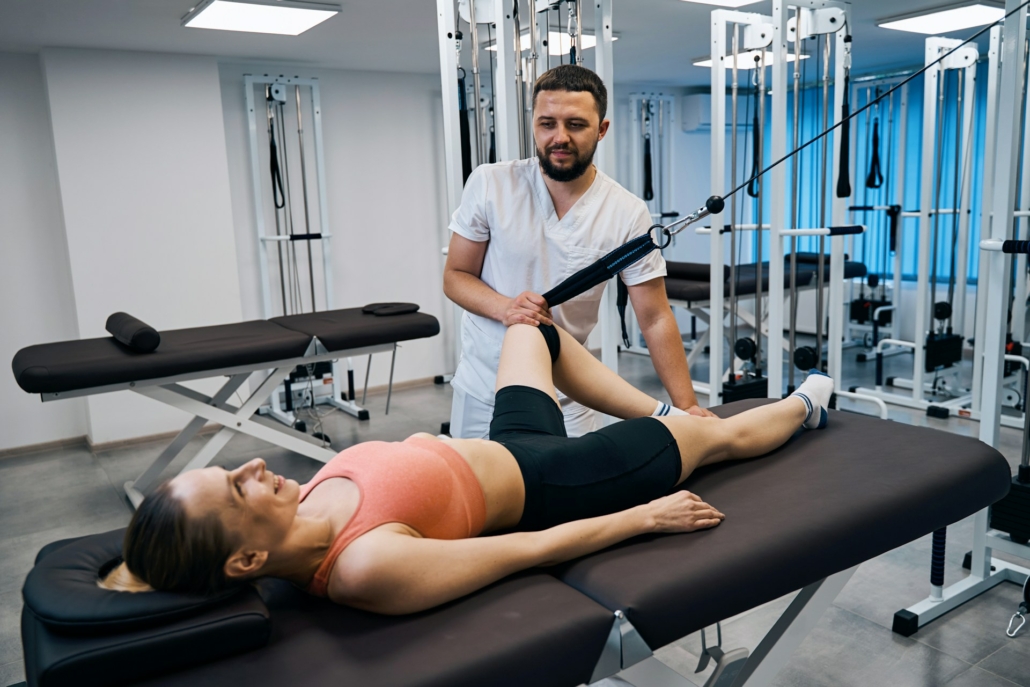
Knee Pain Treatment in Crofton, MD: Get Back to Moving Without Pain
Knee Pain Treatment in Crofton, MD, becomes important when simple things like walking, climbing stairs, or standing start to feel uncomfortable. When your knee limits how you move each day, it’s a sign your body needs the right kind of support.
At Precise Chiropractic & Rehabilitation, care focuses on how your knee moves and what’s placing stress on the joint. The goal is to help you move more naturally and rebuild confidence in everyday activities.
This guide explains what may be causing your knee pain and how treatment can help. You’ll learn what to expect and how a personalized plan supports steady recovery.
When Knee Pain Starts Limiting Everyday Life
Knee pain might start as a minor ache, but it can quickly take over nearly everything you do. Suddenly, simple tasks become painful chores, and ignoring chronic pain gets harder. At that point, pain relief isn’t just about comfort—it’s about taking your life back.
How Knee Pain Affects Long-Term Mobility
Ongoing knee pain can gradually change how your body moves. According to the Mayo Clinic, avoiding movement due to pain can lead to stiffness, weakness, and reduced joint function over time.
These changes can make recovery more difficult if not addressed early. Maintaining movement with the right care helps protect long-term mobility.
The Daily Movements That Often Become Harder First
Your knees help you stand, walk, bend, and climb. When they hurt, the first things to get harder are usually the most routine.
You might notice pain when you:
- Climb stairs
- Get up from a chair
- Kneel or squat
- Walk longer distances
- Stand for long periods
- Get in and out of a car
These changes tend to sneak up on you. At first, you might adjust how you move without even realizing. Over time, those tiny changes lead to more strain and more chronic knee pain.
Signs It May Be More Than a Short-Term Ache
A short-term ache usually improves with some rest. But ongoing knee pain? That’s another story. If pain keeps coming back, gets worse when you’re active, or makes you change how you move, it probably needs treatment.
You might also spot warning signs like stiffness, swelling, or pain that wakes you up at night. If your knee feels weak or you can’t trust it to hold your weight, that’s a sign your body wants some attention.
Why Ongoing Symptoms Shouldn’t Be Ignored
Chronic pain can mess with more than just your knee. It can lower your activity, drain your energy, and make it tough to stay active in ways that actually protect your health.
If you keep working around the pain, the problem can stick around longer than it should. Early care can help with pain relief and protect your long-term mobility.
What Could Be Driving Your Symptoms
Knee pain has all kinds of causes, and the best treatment depends on what’s really going on. Some issues come from overuse or small movement problems, while others come from injury or joint wear. Knowing the real cause leads to better care.
Overuse, Injury, and Wear From Daily Activity
Your knees take a lot of pressure every single day. Repeated stress from work, exercise, or even just climbing stairs can irritate them. Sports injuries, slips, twists, and falls can strain the joint too. Daily wear adds up over time.
When cartilage, tendons, or muscles around your knee get stressed, pain might show up during movement or even after you’ve been resting.
Patellofemoral Pain Syndrome and Other Common Conditions
Patellofemoral pain syndrome is a big reason for knee pain, especially when pain sits around or behind your kneecap. It often gets worse with stairs, squatting, running, or sitting too long.
Other common causes include:
- Tendon irritation
- Bursitis
- Meniscus injury
- Arthritis
- Ligament strain
Each problem really needs its own plan. That’s why a general fix rarely helps for long.
When Swelling, Instability, or Locking Point to a Bigger Problem
Some symptoms need a closer look. Swelling, instability, catching, or locking can mean there’s joint damage or a more serious injury.
If your knee gives out, feels stuck, or won’t bend and straighten as it should, you probably need more than just rest. Those signs usually call for a more focused pain management plan.
| Symptom | What It May Suggest | What You Should Do |
| Pain around the kneecap | Patellofemoral pain syndrome | Get evaluated if it keeps returning |
| Swelling after activity | Inflammation or injury | Rest, then seek care if it stays |
| The knee gives out | Weakness or instability | Do not ignore it |
| Locking or catching | Meniscus or joint issue | Get checked soon |
| Pain after a twist or fall | Strain or tear | Ask for an exam |
How Care Matches the Cause of the Pain
Good pain treatment starts with a careful look at your symptoms and how you move. The goal is to figure out what’s causing the pain and what will actually help you get better, safely. That kind of plan works way better than guessing.
Evaluation, Movement Testing, and Imaging When Needed
A provider will ask when your pain started, what makes it worse, and how it affects your day. They’ll check how you walk, bend, squat, and shift your weight from leg to leg.
If needed, imaging can help rule out deeper problems. X-rays or other scans come in when an injury, arthritis, or joint damage is suspected.
When Conservative Care Is the Best Place to Start
Most knee problems get better with conservative care first. That might mean changing your activity, doing exercises, using support, and following steps to reduce stress on the joint.
This approach works well if your knee hurts but still feels stable. It’s usually a good first step because it helps healing without jumping to more aggressive care.
When a Specialist or Pain Management Physician May Be Needed
Some cases need a pain management physician’s support. That’s especially true if the pain sticks around, feels severe, or has more than one cause. A specialist can step in when you’re dealing with chronic knee pain, repeat injuries, or symptoms that won’t improve with early care.
The right specialist coordinates your treatment and helps your recovery move forward.
Treatment Options That Help You Move Better
The best knee pain treatment in Crofton, MD, usually involves more than one method. Care focuses on restoring strength, reducing strain, and easing pain so you can get back to normal movement. Mixing treatments often leads to better pain relief and recovery.
Physical Therapy for Strength, Mobility, and Recovery
Physical therapy helps your knee move better by building strength and flexibility. Stronger muscles around the knee ease pressure on the joint and make daily movement feel easier.
Therapy includes stretching, strengthening, balance work, and movement drills. These exercises help you recover from injury and lower the risk of pain coming back.
Bracing, Activity Changes, and Home Exercise Strategies
A brace or support can steady the knee during certain activities. It also reduces strain when the joint feels irritated.
Changing your activity matters too. You might need to cut back on movements that trigger pain, then slowly add them back as your knee improves. Home exercises help keep you moving forward between visits.
Useful at-home steps include:
- Taking short rest breaks during flare-ups
- Choosing gentle movement instead of total inactivity
- Using ice or heat as needed
- Doing home exercises regularly
- Wearing supportive shoes
Medication, Injections, and Other Medical Options
Sometimes, medical care is needed to calm pain and swelling. Depending on what’s going on, options include anti-inflammatory medicine or targeted injections.
These tools help with pain relief while other treatments address the root problem. They’re often part of a bigger pain management plan when symptoms are more stubborn or severe.
When Chronic Knee Pain Calls for Broader Support
Chronic pain affects much more than your knee. It shapes how you sleep, how you work, and even how willing you feel to stay active. When symptoms stick around, you might need a plan that blends rehab with ongoing pain management.
How Long-Lasting Symptoms Affect Work, Exercise, and Sleep
When your knee hurts day after day, you start avoiding things you used to do without a second thought. That might mean standing at work, walking for exercise, or playing with your kids. Poor sleep often follows.
Pain that flares up at night can leave you tired, tense, and less able to recover during the day. Chronic knee pain can turn into a cycle if you don’t address it.
Blending Rehabilitation With Ongoing Pain Management
Rehabilitation helps you rebuild strength and movement. Pain management keeps you comfortable enough to keep making progress. That mix matters because pain relief alone isn’t the full goal. You want to move better, stay active, and keep your knee working well for the long haul.
How Maryland Pain & Wellness Center Fits Into Local Care Options
Maryland Pain & Wellness Center offers part of that broader care path for people dealing with chronic pain in the Crofton area. Having a local option makes it easier to stick with visits and follow-up care.
When care is close to home, it’s just easier to keep up with treatment and adjust your plan as your symptoms change. That can lead to better long-term results and a more reliable recovery.
Choosing the Right Provider in Crofton
Picking the right provider for knee pain treatment in Crofton, MD, can really affect how fast you improve and how supported you feel. You want someone who listens, explains your options, and builds a plan around your needs.
What to Look For in a Personalized Treatment Plan
A personalized plan should match your symptoms, your activity level, and your goals. The best care isn’t generic, since knee pain comes from different causes and affects people in different ways.
Look for a provider who:
- Takes time to review your history
- Checks how you move
- Explains the cause in simple language
- Offers treatment choices based on your needs
- Focuses on function, not pain alone
Questions to Ask Before Starting Care
Asking the right questions helps you feel more confident. You deserve to know what your plan includes and how it supports recovery.
Good questions include:
- What is causing my pain?
- What should I expect in the first few visits?
- Will I need physical therapy?
- How long might recovery take?
- What can I do at home to help?
Why Convenience, Follow-Up, and Communication Matter
Pain care really works best when you can stick with it. If your provider is right here in Crofton, those visits don’t feel like such a hassle—especially when pain makes driving or long trips tough.
Clear communication helps a lot, too. When the provider takes time to explain each step and checks in on your progress, you stay more engaged in your care. That kind of support can make pain relief seem more possible, and recovery feels just a bit closer.
Move With Confidence and Reduce Knee Pain
Knee pain can limit your movement and make daily tasks feel harder than they should. With the right care, you can reduce discomfort and improve how your knee functions over time.
At Precise Chiropractic & Rehabilitation, treatment is tailored to your symptoms, movement patterns, and recovery goals. The focus is on helping you move more comfortably and return to your routine with confidence.
If you’re ready to take the next step, request an appointment today and start building a plan that helps you move without pain.
Frequently Asked Questions
What is the best treatment for knee pain?
The best treatment depends on the cause of your knee pain. Many people benefit from a mix of physical therapy, activity changes, and strengthening exercises. A proper evaluation helps guide the right approach.
When should I seek treatment for knee pain?
You should seek treatment if pain lasts more than a few days or keeps returning. Swelling, instability, or limited movement are also signs to get checked. Early care can prevent the problem from worsening.
Can knee pain go away without treatment?
Some mild cases improve with rest and activity changes. However, ongoing or recurring pain often needs guided care. Addressing the cause early helps support long-term recovery.
What exercises help with knee pain?
Exercises that strengthen the muscles around the knee can help reduce strain. Stretching and mobility work also improve joint function. A provider can recommend exercises based on your condition.
Is walking good for knee pain?
Walking can be helpful if it does not increase pain. Gentle movement supports joint health and circulation. It’s important to stay within a comfortable range.



Leave a Reply
Want to join the discussion?Feel free to contribute!