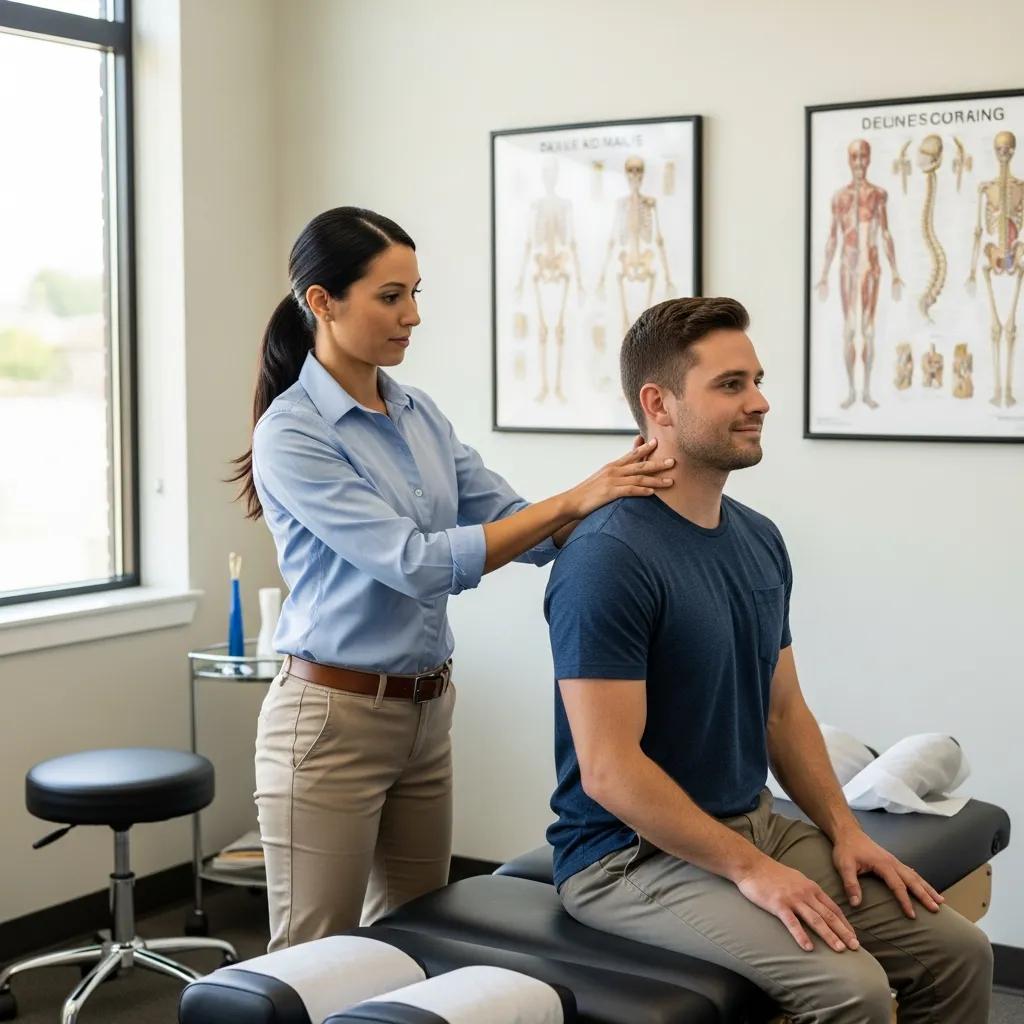
Key Qualifications for Choosing a Chiropractor for Back Pain
Essential Qualifications to Consider When Choosing a Licensed Chiropractor for Your Back Pain Relief

Choosing the right chiropractor for back pain relief is crucial for effective treatment and recovery. With numerous practitioners available, understanding the essential qualifications can help you make an informed decision. This article will guide you through the necessary licenses, certifications, and experience to look for when selecting a chiropractor. You will learn about the verification process for credentials, the importance of specialization, and what to expect during your initial consultation. By the end, you will be equipped with the knowledge to choose a qualified chiropractor who can address your specific back pain needs.
What Are the Required Licenses and Certifications for Chiropractors?
To practice legally, chiropractors must obtain specific licenses and certifications that demonstrate their qualifications. Each state has its own licensing requirements, but generally, a licensed chiropractor must have completed a Doctor of Chiropractic degree from an accredited institution. Additionally, they must pass the National Board of Chiropractic Examiners exams to ensure they meet the necessary standards for practice.
Indeed, the regulatory landscape for chiropractic practice is rigorously maintained at the state level, emphasizing ongoing professional development for license retention.
Chiropractic Licensure & Continuing Education Requirements
Chiropractic licensure in the United States (US) is established and overseen at the state level, with requirements set forth for license renewal varying by state [1]. In order to retain a license, chiropractors must demonstrate continued professional competence through continuing education (CE) [1]. Those who fail to obtain adequate CE face repercussions including fines, license suspension or revocation [1].
Chiropractic residencies and fellowships as continuing education: a review of chiropractic state boards policies, 2024
Dr. Lief Hands, for instance, holds a Doctor of Chiropractic degree and is licensed in the State of Maryland. This highlights the importance of verifying that your chosen chiropractor has the appropriate “credentials” to provide safe and effective care.
How to Verify a Chiropractor’s License and Credentials?
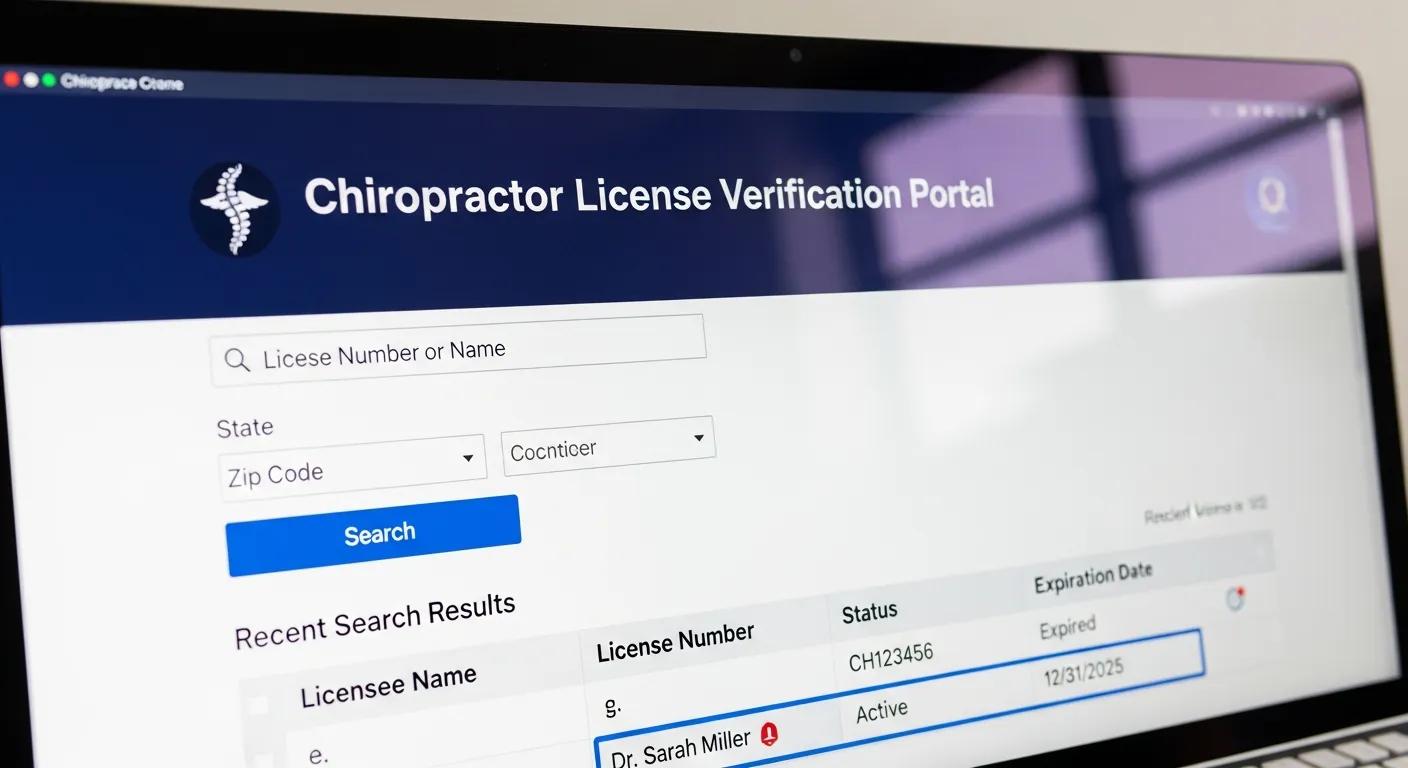
Verifying a chiropractor’s license and credentials is a straightforward process that can provide peace of mind. Here are the steps you can take:
- Visit the Credentials Section: Most state chiropractic boards have an online portal where you can check a chiropractor’s license status.
- Check License Information: Ensure that the license is active and in good standing, with no disciplinary actions against the practitioner.
- Review Educational Background: Look for information about their educational qualifications and any additional certifications they may hold.
By following these steps, you can confirm that your chiropractor is properly licensed and qualified to treat your back pain.
Which Board Certifications Indicate Expertise in Back Pain Treatment?
Board certifications can indicate a chiropractor’s expertise in specific areas of treatment, particularly for back pain. Some relevant certifications include:
- Licensed Chiropractor: This is the basic requirement for practice.
- Certified Independent Chiropractic Examiner: This certification indicates advanced training in evaluating and treating musculoskeletal conditions.
- Specialized Certifications: Chiropractors may also pursue additional certifications in areas such as sports medicine, orthopedics, or rehabilitation, which can enhance their ability to treat back pain effectively.
These certifications demonstrate a commitment to ongoing education and specialization, which can be beneficial for patients seeking targeted treatment.
Why Is Experience and Specialization Important in Chiropractic Care for Back Pain?
Experience and specialization play a significant role in the effectiveness of chiropractic care for back pain. A chiropractor with extensive experience is likely to have encountered a variety of cases, allowing them to develop tailored treatment approaches. Specialization in areas such as spinal adjustments or soft tissue therapy can further enhance their ability to address specific patient needs.
When selecting a chiropractor, consider their years of practice and any specialized training they have received. This can help ensure that you receive the most effective care for your back pain.
How Many Years of Practice Should a Qualified Chiropractor Have?
While there is no specific recommendation for the number of years a chiropractor should practice, generally, those with several years of experience are more likely to have honed their skills and developed a deeper understanding of various treatment methods. A chiropractor with at least five years of practice may have encountered a wide range of conditions and treatment scenarios, which can be advantageous for patients.
What Are Common Specializations Relevant to Back Pain Relief?
Chiropractors may specialize in various areas that are particularly relevant to back pain relief. Common specializations include:
- Chiropractic Spinal Adjustments: Focused on realigning the spine to alleviate pain and improve function.
- Soft Tissue Therapy: Techniques aimed at relieving tension in muscles and connective tissues.
- Corrective Exercises: Customized exercise programs designed to strengthen the back and prevent future injuries.
These specializations can enhance the effectiveness of treatment and provide a more comprehensive approach to managing back pain.
What Should You Expect During a Chiropractic Consultation for Back Pain?
During your initial chiropractic consultation, you can expect a thorough assessment of your symptoms and medical history. Key components of the consultation typically include:
- Assessment of Symptoms: The chiropractor will ask detailed questions about your pain, its duration, and any previous treatments.
- Discussion of Treatment Options: Based on your assessment, the chiropractor will outline potential treatment plans tailored to your needs.
- Personalized Treatment Plan: You will receive a customized plan that may include spinal adjustments, exercises, and lifestyle recommendations.
This process ensures that your treatment is tailored to your specific condition and needs.
Which Questions Should You Ask Your Chiropractor Before Treatment?
Before beginning treatment, it’s essential to ask your chiropractor several key questions to ensure you are comfortable and informed. Consider asking:
- What is your experience and qualifications?: Understanding their background can help you gauge their expertise.
- What types of treatments do you offer?: This will clarify whether their approach aligns with your needs.
- What are the payment options?: Knowing the costs and payment methods can help you plan accordingly.
These questions can help establish a clear understanding of your chiropractor’s approach and ensure that you feel confident in your choice.
How Is a Personalized Chiropractic Treatment Plan Developed?

A personalized chiropractic treatment plan is developed through a collaborative process between you and your chiropractor. Key steps include:
- Consultation and Assessment: The chiropractor evaluates your condition and discusses your goals for treatment.
- Personalized Treatment Plan: Based on the assessment, a tailored plan is created that may include various treatment modalities.
- Progress Monitoring: Regular follow-ups are essential to assess the effectiveness of the treatment and make necessary adjustments.
This collaborative approach ensures that your treatment is effective and aligned with your recovery goals.
How Do Chiropractic Education and Training Impact Patient Safety and Treatment Outcomes?
Chiropractic education and training are critical factors that influence patient safety and treatment outcomes. Chiropractors undergo extensive training in anatomy, physiology, and treatment techniques, which equips them with the knowledge necessary to provide safe care.
Specialized training in musculoskeletal health allows chiropractors to focus on the root causes of pain, leading to more effective treatment strategies. This emphasis on education helps ensure that patients receive high-quality care that prioritizes their safety and well-being.
Why Is Continuing Education Important for Chiropractors?
Continuing education is vital for chiropractors to stay updated with advancements in the field. Ongoing training allows practitioners to:
- Stay Updated with Advancements: New research and techniques emerge regularly, and continuing education helps chiropractors incorporate these into their practice.
- Enhance Patient Care: By learning about the latest treatment methods, chiropractors can provide more effective care to their patients.
This commitment to lifelong learning is essential for maintaining high standards of care and ensuring positive patient outcomes.
How Can Patient Testimonials and Success Stories Guide Your Choice of Chiropractor?
Patient testimonials and success stories can provide valuable insights into the quality of care offered by a chiropractor. These accounts often highlight:
- Insights into Quality of Care: Positive experiences can indicate a chiropractor’s effectiveness and approach to treatment.
- Positive Experiences of Patients: Hearing about others’ successful outcomes can help you feel more confident in your choice.
When researching potential chiropractors, consider looking for reviews and testimonials to gauge their reputation and effectiveness.
What Do Patients Say About Their Back Pain Relief Experiences?
Patients often share varied experiences regarding their back pain relief journeys. Common themes include:
- Varied Experiences: Some patients report significant improvements in pain and mobility, while others may have had less favorable outcomes.
- Importance of Personalized Care: Many emphasize the need for tailored treatment plans that address their specific conditions and needs.
These insights can help you understand the potential effectiveness of chiropractic care and the importance of finding a qualified practitioner.
How to Evaluate the Credibility of Chiropractic Reviews?
Evaluating the credibility of chiropractic reviews is essential for making an informed decision. Here are some tips to consider:
- Look for Verified Reviews: Check if the reviews are from verified patients to ensure authenticity.
- Consider the Overall Sentiment: Pay attention to the general tone of the reviews—consistent positive feedback can indicate a reliable practitioner.
- Assess Specific Feedback: Look for detailed comments about treatment effectiveness and patient experiences to gauge the quality of care.
By following these guidelines, you can better assess the credibility of reviews and make a more informed choice regarding your chiropractor.