
Your Guide to an Experienced Chiropractor in Crofton MD
Experienced Chiropractor in Crofton MD: What to Expect

Visiting an experienced chiropractor can be a transformative experience for those seeking relief from pain and improved overall wellness. In Crofton, MD, chiropractic care is tailored to meet individual needs, ensuring that patients receive personalized treatment plans. This article will guide you through what to expect during your chiropractic journey, from your first appointment to the various techniques and benefits of care. Many individuals struggle with chronic pain or mobility issues, and understanding the chiropractic process can alleviate concerns and enhance the healing experience. We will explore the initial consultation, diagnostic techniques, spinal adjustment methods, and the integration of rehabilitation services, providing a comprehensive overview of “chiropractic care” in Crofton.
What Happens During Your First Chiropractor Appointment in Crofton MD?
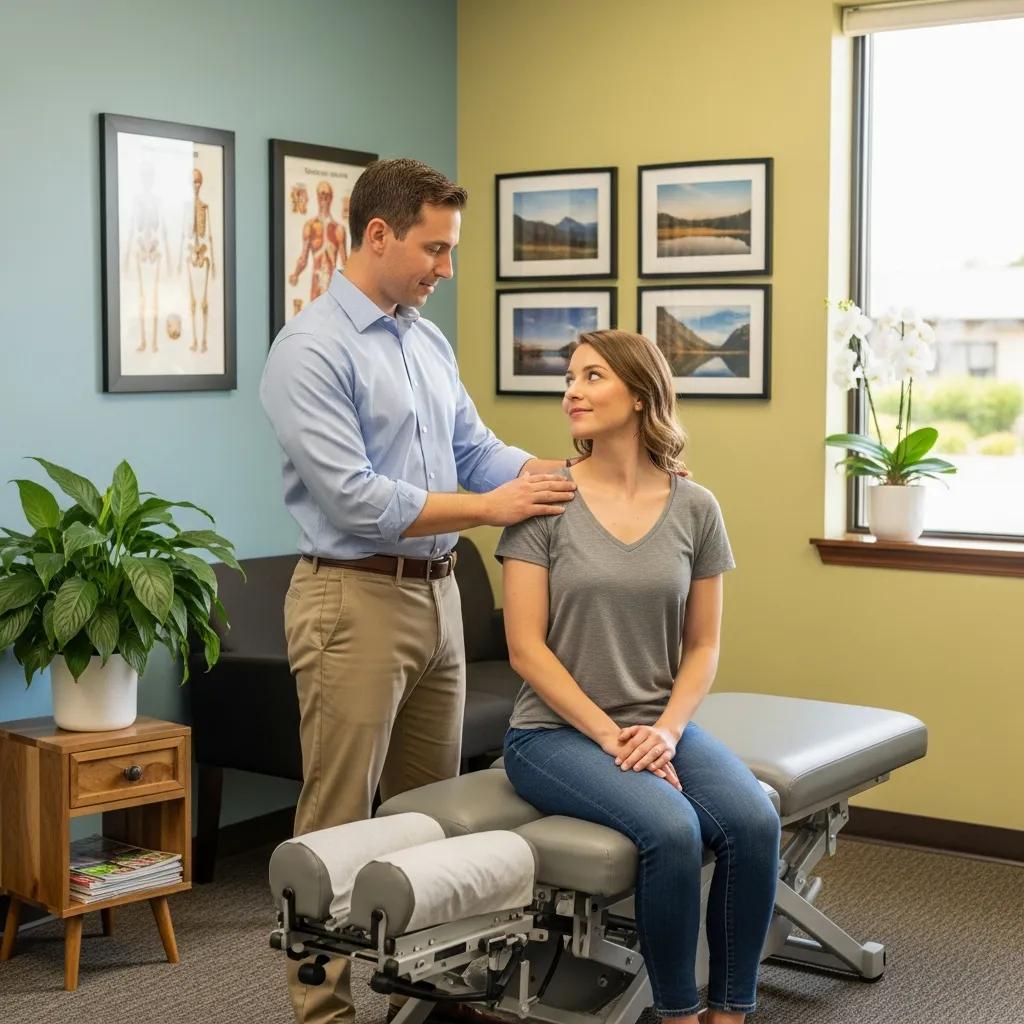
During your first chiropractor appointment in Crofton, MD, you can expect a comprehensive evaluation that sets the foundation for your treatment plan. The chiropractor will discuss your health goals and gather important information about your medical history. This initial visit is crucial as it helps the chiropractor understand your specific needs and concerns, ensuring a tailored approach to your care.
Following the evaluation, the chiropractor will perform a physical examination to assess your posture, range of motion, and any areas of discomfort. This thorough process allows for a detailed understanding of your musculoskeletal health, which is essential for effective treatment.
At this stage, you may also have the opportunity to ask questions about the chiropractic process, which can help build trust and comfort with your provider. This initial interaction is vital for establishing a positive patient-provider relationship, which is key to successful treatment outcomes.
How is the initial consultation and assessment conducted?
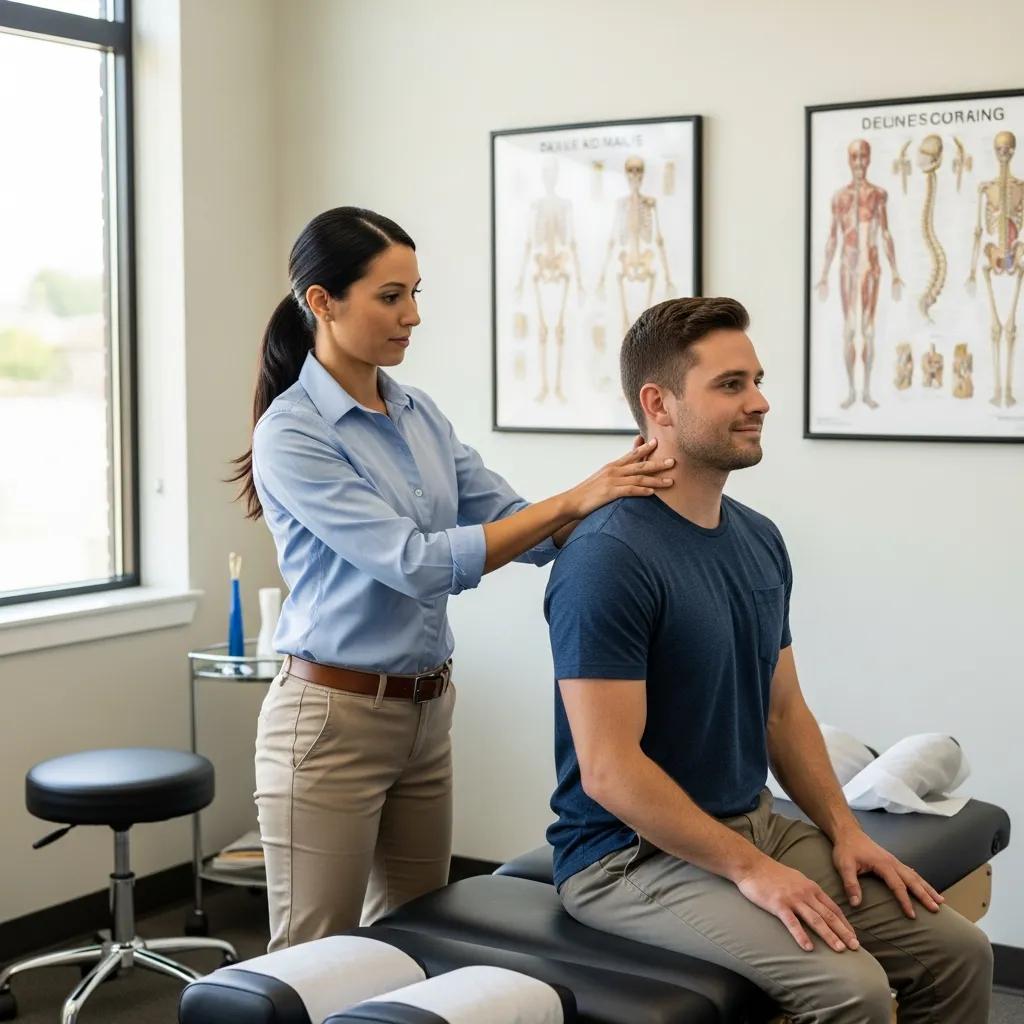
The initial consultation and assessment are conducted through a structured process that includes several key components. First, the chiropractor will take a detailed medical history, which involves discussing any previous injuries, surgeries, or chronic conditions. This information is critical for developing a personalized treatment plan.
Next, a physical examination is performed, which may include tests to evaluate your strength, flexibility, and neurological function. This assessment helps identify any underlying issues that may be contributing to your pain or discomfort.
Finally, based on the findings from the consultation and assessment, the chiropractor will create a personalized treatment plan tailored to your specific needs. This plan may include various chiropractic techniques, rehabilitation exercises, and lifestyle recommendations to support your recovery.
The importance of such tailored approaches is underscored by studies investigating the effectiveness of individualized chiropractic and integrative care for conditions like low back pain.
Individualized & Integrative Care for Low Back Pain
The primary aim of this study is to determine the relative clinical effectiveness of 1) monodisciplinary chiropractic care and 2) multidisciplinary integrative care in 200 adults with non-acute LBP, in both the short-term (after 12 weeks) and long-term (after 52 weeks). The primary outcome measure is patient-rated back pain. Secondary aims compare the treatment approaches in terms of frequency of symptoms, low back disability, fear avoidance, self-efficacy, general health status, improvement, satisfaction, work loss, medication use, lumbar dynamic motion, and torso muscle endurance.
Individualized chiropractic and integrative care for low back pain: the design of a randomized clinical trial using a mixed-methods approach, RL Evans, 2010
What diagnostic techniques are used to tailor your treatment plan?
Chiropractors utilize several diagnostic techniques to tailor treatment plans effectively. These techniques include:
- Consultation and Examination: A thorough discussion of your symptoms and a physical examination help identify the root cause of your discomfort.
- Diagnostic Tools: Chiropractors may use X-rays or other imaging techniques to gain a clearer understanding of your spinal health and any structural issues.
- Functional Assessments: Evaluating how your body moves and functions can provide insights into areas that require attention and improvement.
These diagnostic methods ensure that your treatment plan is not only effective but also personalized to address your unique health concerns.
Which Spinal Adjustment Techniques Does an Experienced Chiropractor Use?
Experienced chiropractors employ various spinal adjustment techniques to address misalignments and improve overall spinal health. Some common techniques include:
- Direct Thrust Technique: This method involves applying a quick, controlled force to a specific joint, helping to restore proper alignment and function.
- Flexion-Distraction Technique: This gentle technique involves stretching the spine while applying a distraction force, which can relieve pressure on spinal discs and nerves.
- Activator Method: Using a small handheld device, chiropractors deliver a gentle impulse to specific areas of the spine, promoting alignment without the need for manual adjustments.
These techniques are designed to enhance spinal mobility, reduce pain, and improve overall health.
Indeed, clinical studies have affirmed the effectiveness of specific techniques like the Activator Adjusting Instrument, demonstrating comparable benefits to other manual manipulation methods for various musculoskeletal disorders.
Activator Adjusting Instrument: Clinical Benefits
Overall, the AAI provided comparable clinically meaningful benefits to patients when compared to high-velocity, low-amplitude (HVLA) manual manipulation or trigger point therapy for patients with acute and chronic spinal pain, temporomandibular joint (TMJ) dysfunction and trigger points of the trapezius muscles.
Clinical effectiveness of the activator adjusting instrument in the management of musculoskeletal disorders: a systematic review of the literature, 2012
What are the common chiropractic adjustment methods for back pain relief?
Chiropractors utilize several common adjustment methods specifically aimed at relieving back pain. These methods include:
- Spinal Manipulation: This technique involves applying controlled force to the spine to improve alignment and reduce pain.
- Flexion-Distraction: This method helps alleviate pressure on the spinal discs and nerves, providing relief from back pain.
- Corrective Exercises: Chiropractors may recommend specific exercises to strengthen the muscles supporting the spine, which can help prevent future pain.
These adjustment methods are effective in addressing various types of back pain and promoting long-term wellness.
How do these techniques improve spinal health and mobility?
Chiropractic adjustment techniques improve spinal health and mobility through several mechanisms. By restoring proper alignment, these techniques help reduce nerve interference, which can alleviate pain and enhance overall function. Improved spinal alignment also promotes better posture, reducing strain on surrounding muscles and ligaments.
Additionally, chiropractic adjustments can increase blood flow to the affected areas, facilitating healing and reducing inflammation. This holistic approach not only addresses immediate pain but also supports long-term spinal health and mobility.
What Are the Benefits of Chiropractic Care for Back Pain and Overall Wellness?
Chiropractic care offers numerous benefits for back pain relief and overall wellness. Some key advantages include:
- Pain Relief: Chiropractic adjustments can significantly reduce pain levels, providing immediate relief for many patients.
- Improved Posture: Regular chiropractic care helps correct postural imbalances, reducing strain on the spine and surrounding muscles.
- Non-Invasive Treatment: Chiropractic care is a non-invasive alternative to surgery and medication, making it a safer option for many individuals.
Further research highlights how stakeholders anticipate chiropractic care to significantly improve pain management and physical functioning, contributing to overall healthcare integration.
Patient Expectations & Benefits of Chiropractic Care
Stakeholders expected the addition of chiropractic to help patients progress toward these goals by improving pain management and physical functioning. Pain management themes included pain intensity, medication use, and pain-related behaviors, while functional improvement themes included muscle tone, extremity function, and balance and mobility. In addition to these direct effects on clinical outcomes, stakeholders also expected indirect effects of chiropractic care on healthcare integration.
Stakeholder expectations from the integration of chiropractic care into a rehabilitation setting: a qualitative study, ZK Shannon, 2018
These benefits highlight the effectiveness of chiropractic care in promoting both immediate relief and long-term wellness.
| Benefit | Description | Evidence Level |
|---|---|---|
| Pain Relief | Chiropractic adjustments reduce pain levels effectively. | High |
| Improved Posture | Regular care corrects postural imbalances. | High |
| Non-Invasive Treatment | Offers a safer alternative to surgery and medication. | High |
This table summarizes the key benefits of chiropractic care, emphasizing its effectiveness and safety.
How does chiropractic treatment alleviate musculoskeletal pain?
Chiropractic treatment alleviates musculoskeletal pain through a combination of spinal adjustments, soft tissue therapy, and therapeutic exercises. Spinal adjustments help restore proper alignment, reducing nerve interference and alleviating pain.
Soft tissue therapy, such as massage or myofascial release, can further enhance pain relief by relaxing tight muscles and improving blood flow. Additionally, therapeutic exercises are often prescribed to strengthen the muscles supporting the spine, which can help prevent future pain and injuries.
This comprehensive approach addresses both the symptoms and underlying causes of musculoskeletal pain, promoting long-term recovery.
What evidence supports chiropractic care effectiveness in Crofton MD?
Research supports the effectiveness of chiropractic care for various conditions, particularly musculoskeletal pain. Numerous studies have demonstrated that chiropractic adjustments can significantly reduce pain and improve function in patients with back pain, neck pain, and headaches.
Patient testimonials also reflect the positive impact of chiropractic care, with many individuals reporting improved quality of life and enhanced overall wellness. This evidence underscores the value of chiropractic treatment as a viable option for those seeking relief from pain and discomfort.
How Are Rehabilitation Services Integrated into Chiropractic Care in Crofton?

Rehabilitation services are an essential component of chiropractic care in Crofton. These services complement spinal adjustments by focusing on strengthening and rehabilitating the musculoskeletal system.
Chiropractors often develop personalized rehabilitation programs that include exercises designed to improve strength, flexibility, and stability. This integrated approach not only enhances recovery but also helps prevent future injuries, ensuring long-term health and wellness.
What rehabilitation therapies complement spinal adjustments?
Several rehabilitation therapies complement spinal adjustments, enhancing the overall effectiveness of chiropractic care. These therapies include:
- Functional Rehabilitation: Focuses on restoring normal movement patterns and improving functional abilities.
- Therapeutic Exercises: Tailored exercises designed to strengthen specific muscle groups and improve overall stability.
- Dry Needling: A technique that involves inserting thin needles into trigger points to relieve muscle tension and pain.
These complementary therapies work synergistically with spinal adjustments to promote comprehensive healing and recovery.
How do personalized recovery plans enhance patient outcomes?
Personalized recovery plans are crucial for enhancing patient outcomes in chiropractic care. By tailoring treatment strategies to individual needs, chiropractors can address specific concerns and goals effectively.
Patient education is also a key component of these plans, empowering individuals to take an active role in their recovery. This collaborative approach fosters a sense of ownership over one’s health, leading to better adherence to treatment recommendations and improved long-term results.
What Do Patients Say About Their Experience with Chiropractors in Crofton MD?
Patient experiences with chiropractors in Crofton, MD, are generally positive, with many individuals expressing satisfaction with their treatment outcomes. Common themes in testimonials include:
- Quality of Service: Patients often highlight the professionalism and expertise of their chiropractors.
- Effectiveness of Treatments: Many report significant improvements in pain levels and overall function following chiropractic care.
- Personal Experiences: Individual stories often emphasize the compassionate and supportive environment provided by chiropractic practices.
These testimonials reflect the commitment of chiropractors in Crofton to delivering high-quality care and fostering positive patient experiences.
Which common questions do patients ask about chiropractic safety and treatment duration?
Patients frequently have questions regarding the safety and duration of chiropractic treatment. Common inquiries include:
- Is chiropractic care safe?: Yes, chiropractic care is generally considered safe when performed by a licensed professional.
- How long does treatment typically last?: Treatment duration varies based on individual needs, but many patients experience relief within a few sessions.
- Are there any risks associated with chiropractic adjustments?: While rare, some individuals may experience mild discomfort following an adjustment.
These questions reflect the importance of understanding the chiropractic process and addressing any concerns patients may have.
How do patient testimonials reflect treatment success and satisfaction?
Patient testimonials serve as valuable indicators of treatment success and satisfaction in chiropractic care. Firsthand accounts often highlight the effectiveness of chiropractic adjustments in alleviating pain and improving overall well-being.
Additionally, positive feedback regarding the quality of care and the supportive environment provided by chiropractors reinforces the importance of patient-provider relationships. These testimonials not only build trust but also encourage others to seek chiropractic care for their health concerns.



Leave a Reply
Want to join the discussion?Feel free to contribute!